

Buying a home can be exciting. You walk through the front door, picture your furniture in the living room, and imagine your life unfolding there. But what if the home has problems you can’t see?
That’s where a home inspection comes in.
A home inspection gives buyers an opportunity to look beyond fresh paint, updated kitchens, and attractive landscaping. It helps uncover potential issues with the property before you make one of the biggest financial commitments of your life.
Whether you’re a first-time homebuyer or have purchased homes before, understanding the home inspection process can help you make a more informed decision and move forward with greater confidence.
What Is a Home Inspection?
A home inspection is a professional evaluation of a property’s condition. A qualified home inspector examines many of the home’s major components, looking for visible problems, safety concerns, signs of wear, and areas that may need attention.
Think of it like taking a car to a mechanic before buying it. A test drive might tell you that the car feels good, but a mechanic can look under the hood and identify issues you might never notice.
A home inspection can typically include areas such as:
Roof and visible exterior components
Foundation and structural elements
Plumbing systems
Electrical systems
Heating and cooling systems
Attic and basement areas
Windows and doors
Insulation and ventilation
Visible signs of water damage or moisture
Major appliances included with the home
The inspection report can then give buyers a clearer picture of the property's condition.
“A home inspection isn’t about finding a perfect house—it’s about understanding the house you’re buying so you can make a confident decision.”
— Peter Klein, Team Leader at Tress Homes

A home may look perfect during a showing, but appearances don't always tell the whole story. Some problems are easy to miss until a trained professional takes a closer look.
Here are some of the biggest reasons buyers should consider a home inspection.
1. It Can Reveal Problems You May Not See
Most buyers aren't trained to recognize potential issues with a home. Something as simple as a water stain on a ceiling could point to a larger moisture problem, while an older electrical system may not be obvious during a showing.
A home inspection can identify potential concerns that deserve further investigation.
This doesn't necessarily mean you should walk away from the property. Instead, it gives you information you can use when deciding what to do next.
2. It Helps You Understand Future Costs
Buying a home isn't just about the purchase price. Future maintenance and repairs can also affect your budget.
For example, imagine you're buying a home with an older roof. The roof may not need immediate replacement, but knowing that it could become a significant expense in the coming years allows you to plan ahead.
The same applies to aging heating and cooling equipment, windows, plumbing, or other major components.
The more you know before buying, the fewer financial surprises you may face later.
3. It Can Help With Negotiations
Depending on the purchase agreement and local practices, inspection findings may give buyers an opportunity to discuss repairs, credits, or other solutions with the seller.
For example, if an inspection identifies a significant issue that wasn't previously known, your real estate agent can help you understand your options and negotiate appropriately.
However, not every inspection finding should become a negotiation battle. Homes are lived-in properties, and minor wear and tear is normal.
The goal is to focus on important issues rather than expecting a home to be flawless.
4. It Gives Buyers Greater Peace of Mind
One of the hardest parts of buying a home is dealing with uncertainty.
An inspection won't guarantee that nothing will ever go wrong. Every home requires maintenance. But knowing more about the property's current condition can make the decision feel much less like a guessing game.
Instead of wondering, “What am I missing?”, you can move forward with a better understanding of what you're purchasing.
5. It Helps You Plan for Homeownership
An inspection report can also become a useful planning tool after you purchase the home.
You may learn that certain areas should be monitored, maintained, or eventually replaced. Knowing this ahead of time can help you prioritize projects instead of being caught off guard.
Think of the inspection as a road map for your home's maintenance needs.
Does Every Home Need an Inspection?
While a home inspection is strongly recommended for many buyers, the decision depends on the property, contract, financing, and circumstances.
Some buyers may be tempted to skip an inspection in a competitive market because they believe it will make their offer more attractive. Others may feel comfortable accepting a property as-is.
But skipping an inspection can come with risks.
A home that looks like a great deal could potentially require thousands of dollars in unexpected repairs. Before waiving an inspection contingency or choosing not to have an inspection, talk with your real estate professional and understand exactly what you're giving up.
Saving time today isn't always worth taking on a major surprise tomorrow.
If you're preparing to buy a home, here are a few practical steps to keep in mind:
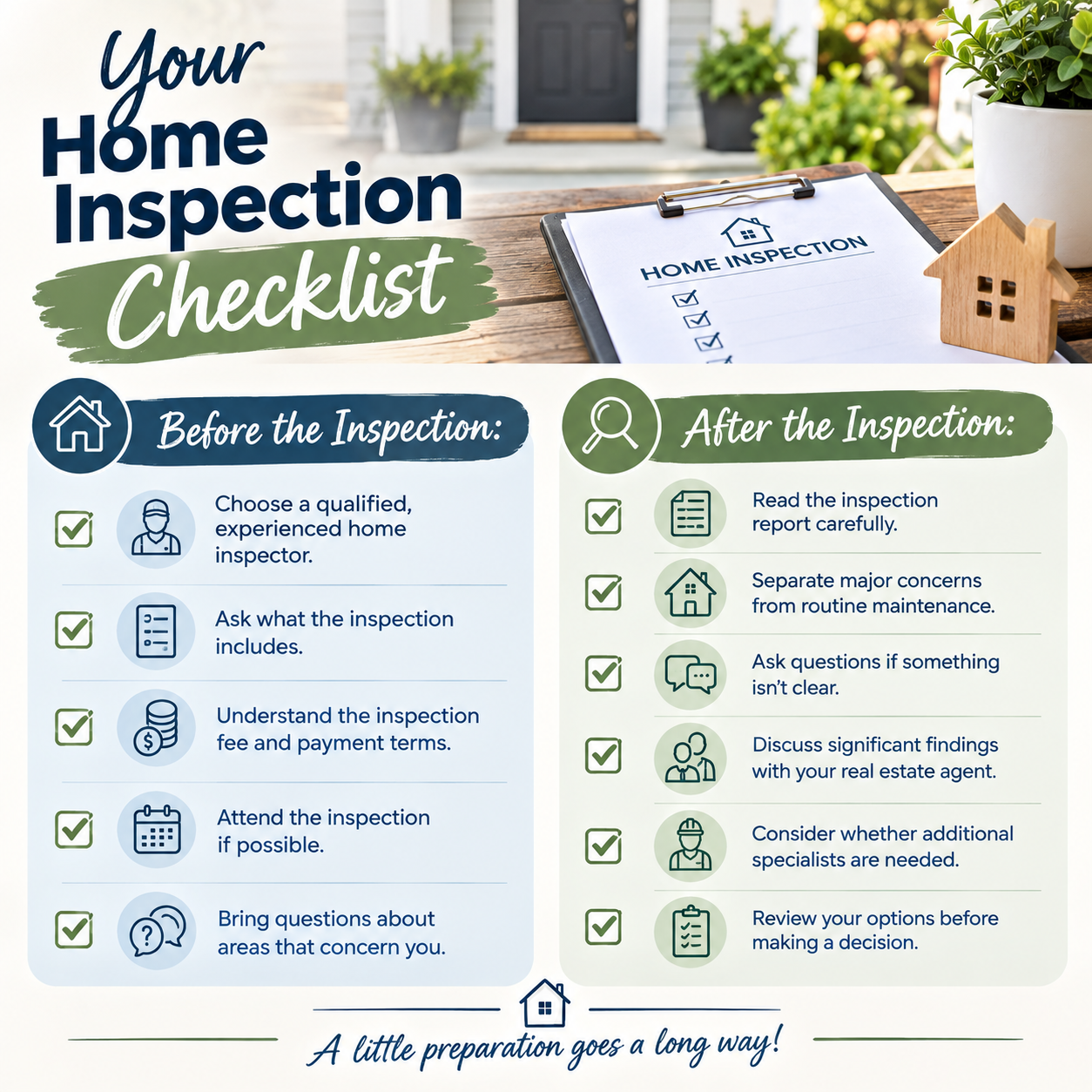
Remember, an inspection report can contain a long list of observations. Don't let the number of pages overwhelm you. Your agent and inspector can help you understand which findings may deserve the most attention.
A Home Inspection Is About Information, Not Fear
It's easy for buyers to become nervous when an inspection reveals problems. But finding issues doesn't automatically mean you've chosen the wrong home.
Every property has a history. Older homes may have aging components, while newer homes can still have construction or maintenance issues.
The real value of a home inspection for buyers is information.
When you know what you're buying, you can make decisions based on facts rather than assumptions. You may decide to move forward, negotiate repairs, request a credit, budget for future work, or reconsider the purchase altogether.
That's exactly what a good home-buying process should provide: confidence, clarity, and fewer surprises.
The Bottom Line for Homebuyers
A home inspection is an important step in the home-buying process because it helps you understand what you're really purchasing—not just what you see during a showing.
It can uncover potential problems, help you prepare for future expenses, support informed negotiations, and give you greater confidence before closing.
Your dream home doesn't have to be perfect. It just needs to be a home you understand and feel comfortable investing in.
If you're ready to begin your property search, explore available homes at HomeOnward.com. Have questions about the home-buying process or home inspections? Email tresshomes@gmail.com for more information.
The right home starts with the right information—and Tress Homes is here to help you every step of the way.