
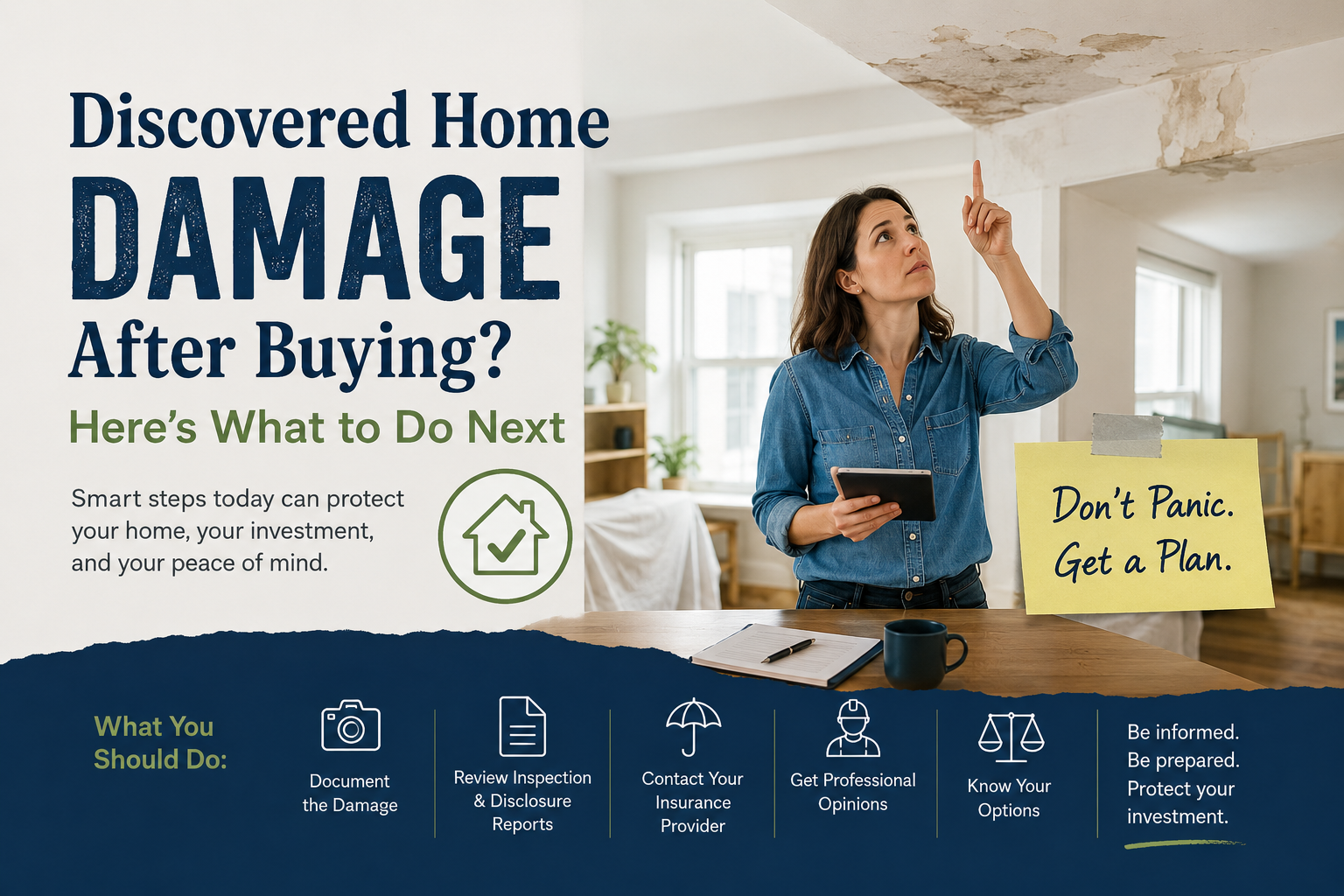
Imagine this: You've just received the keys to your new home. You're excited, unpacking boxes, and dreaming about making the space your own. Then, a few weeks later, you notice water stains on the ceiling, cracks in the foundation, or a plumbing leak hidden behind a wall.
Unfortunately, this situation is more common than many homeowners realize.
Discovering damage after buying a home can feel frustrating, stressful, and even overwhelming. The good news? Finding a problem doesn't automatically mean you're out of options. Knowing what steps to take can help protect your investment and potentially save you thousands of dollars.
Whether you've recently purchased a home or you're preparing to buy one, understanding how to handle post-purchase damage is an important part of homeownership.
Why Hidden Damage Happens
Even with inspections, some issues remain hidden until after you move in. Certain problems may develop over time, while others might be concealed behind walls, under flooring, or in hard-to-reach areas.
Common examples include:
Roof leaks
Plumbing issues
Electrical problems
Foundation cracks
Mold growth
HVAC system failures
Water damage hidden behind walls
As Peter Klein, Team Leader of Tress Homes, often reminds buyers:
"A home inspection is one of the best tools available, but no inspection can uncover every potential issue. The key is knowing how to respond if a problem appears after closing."
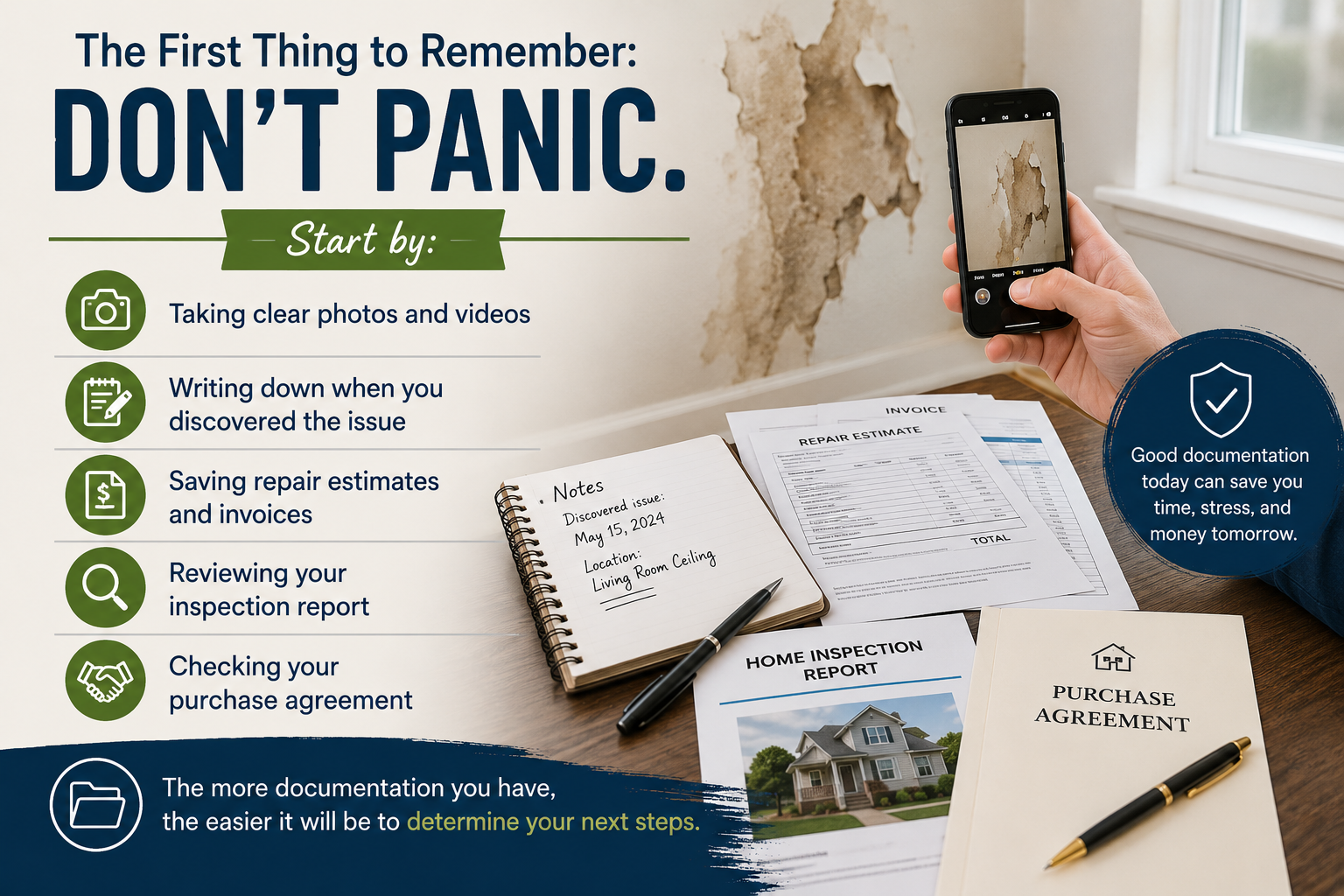
Finding unexpected damage can feel like discovering a surprise bill in your mailbox. It's frustrating, but reacting emotionally can make the situation harder to resolve.
Instead, focus on gathering information and documenting what you've found.
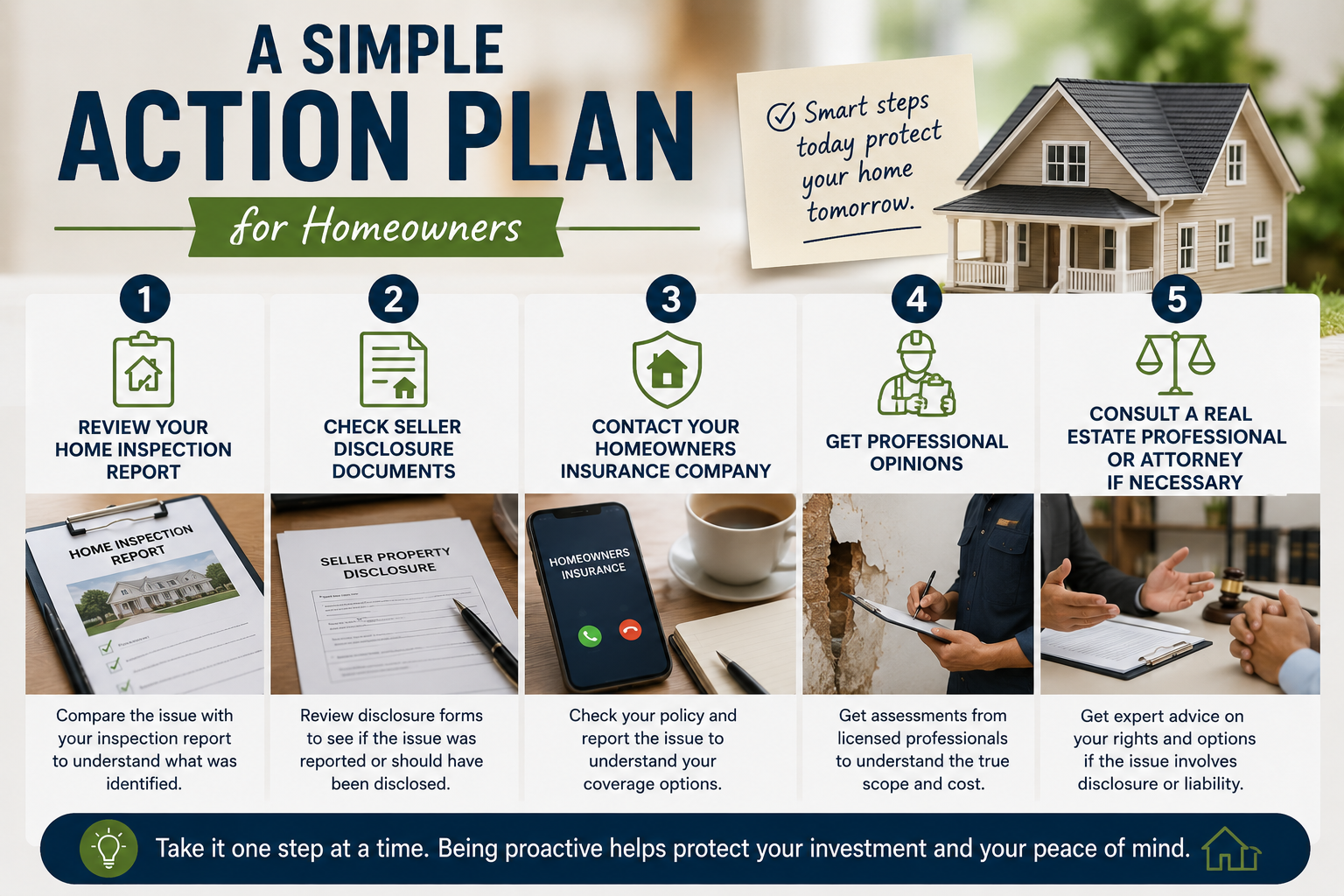
If you discover damage after buying a home, follow these practical steps:
1. Review Your Home Inspection Report
Start by comparing the issue with the inspection report you received before closing.
Ask yourself:
Was the problem mentioned?
Was it identified but underestimated?
Is it something that reasonably could have been detected?
This information may help clarify whether the issue is new or existed before the sale.
2. Check Seller Disclosure Documents
In many real estate transactions, sellers are required to disclose known material defects.
Review any disclosure forms carefully.
If evidence suggests the seller knew about the problem and failed to disclose it, you may want to seek legal advice regarding your options.
3. Contact Your Homeowners Insurance Company
Some types of damage may be covered by your homeowners insurance policy.
Coverage varies depending on the cause of the damage, so it's worth contacting your insurance provider as soon as possible.
4. Get Professional Opinions
Before making major repairs, obtain assessments from licensed contractors or specialists.
Multiple opinions can help you:
Understand the true scope of the issue
Estimate repair costs accurately
Determine whether the damage is recent or longstanding
5. Consult a Real Estate Professional or Attorney if Necessary
If the damage appears significant or raises concerns about disclosure, professional guidance can help you understand your rights and options.
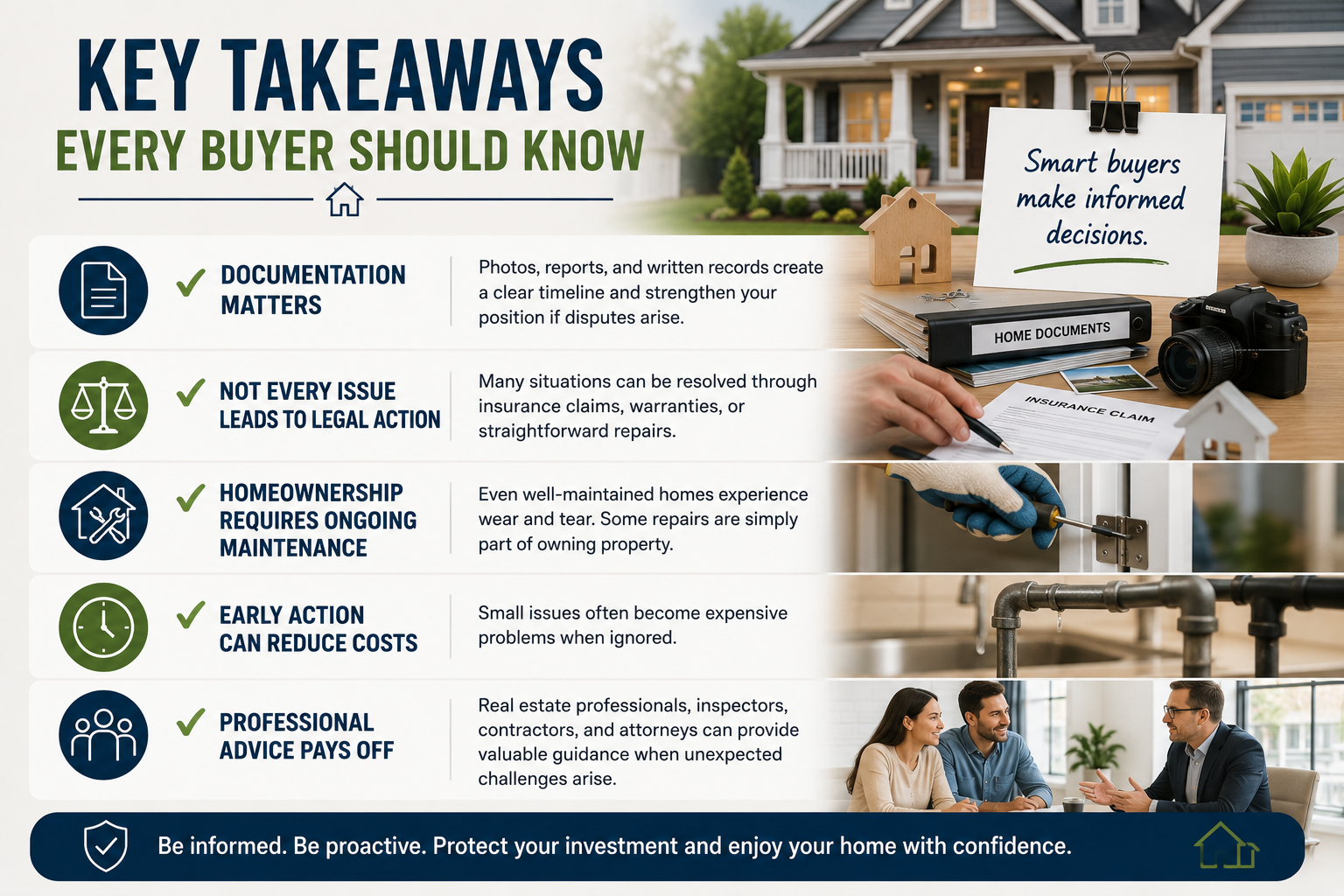
When dealing with unexpected home damage, remember these important lessons:
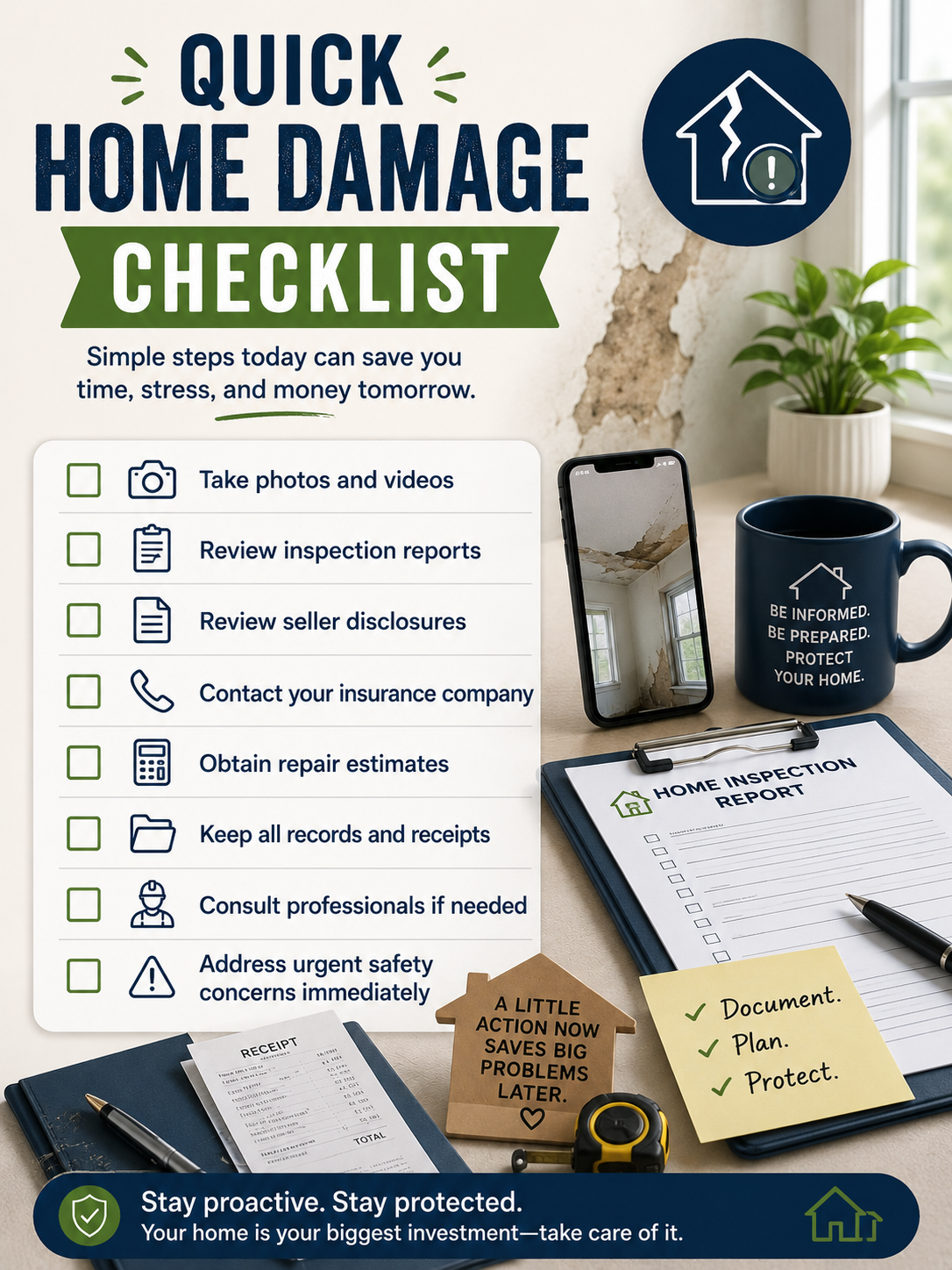
If you discover a problem after moving in, use this checklist:
Protecting Your Investment Moving Forward
Buying a home is one of the largest investments most people will ever make. While unexpected damage can be discouraging, it doesn't have to derail your homeownership journey.
By staying organized, acting quickly, and seeking expert guidance when needed, you can minimize stress and make informed decisions about repairs and next steps.
Final Thoughts
Discovering damage after buying a home is never ideal, but it's a challenge many homeowners successfully overcome. The most important thing is to respond promptly, document everything, and explore all available resources before making major decisions.
If you're buying a home, selling a property, or simply have questions about navigating the real estate process, the experienced team at Tress Homes is here to help.
Visit homeonward.com or email tresshomes@gmail.com for personalized guidance, expert advice, and support throughout your homeownership journey.