

Selling your home comes with plenty of decisions, but one question often stands out above the rest: Should you sell your home as-is, or invest in repairs before putting it on the market?
The answer isn't always as simple as "fix everything." Some repairs can significantly increase your home's value and attract more buyers, while others may cost more than they'll ever return. The key is knowing where to invest your time and money—and where to save it.
Think of your home like a car you're preparing to sell. A clean exterior, smooth ride, and well-maintained engine will attract more buyers, but replacing every single part isn't always necessary. The same principle applies to real estate.
Let's explore how to decide which path makes the most sense for your situation.
What Does It Mean to Sell a Home "As-Is"?
Selling a home as-is means you're offering the property in its current condition without agreeing to make repairs before closing. Buyers understand they'll be purchasing the home with any existing issues, although you're still legally required to disclose known defects.
While this option may sound appealing because it saves time and upfront costs, it can also narrow your pool of interested buyers and potentially affect your selling price.
When Selling As-Is Makes Sense
For some homeowners, selling as-is is the smartest financial decision.
It may be the right choice if you:
Need to sell quickly due to relocation, divorce, or financial circumstances.
Inherited a property that needs significant work.
Don't have the budget for major repairs.
Own an older home where renovation costs could outweigh the return.
Want to avoid the stress of managing contractors before listing.
Many investors and cash buyers actively look for as-is properties because they plan to renovate them after purchase.
When Making Repairs Can Pay Off
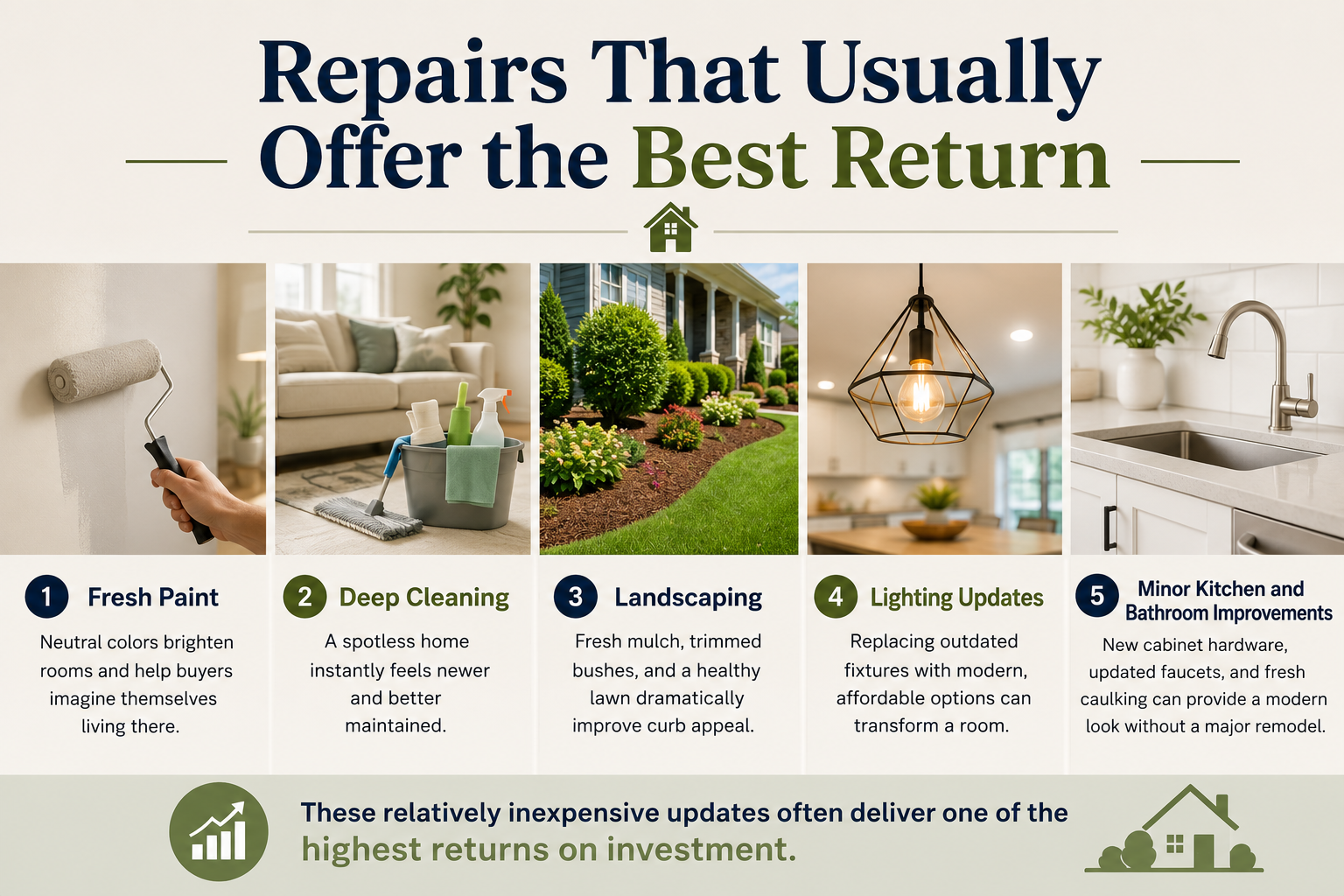
Not every repair is worth your investment, but strategic improvements often lead to stronger offers and shorter time on the market.
Simple updates can make buyers feel more confident about the home's condition and reduce concerns during inspections.
Consider making repairs if your home has:
Leaky faucets or visible plumbing issues
Cracked drywall or damaged flooring
Peeling paint
Broken light fixtures
Loose handrails or safety concerns
Minor roof or gutter maintenance
Landscaping that needs refreshing
Small improvements often create a much stronger first impression without requiring a full renovation.
As Peter Klein, Team Leader of Tress Homes, often says:
"The goal isn't to create a perfect home—it's to remove reasons for buyers to hesitate."
That simple mindset can make a significant difference when preparing your property for sale.
If your budget is limited, focus on improvements that buyers notice immediately.
Repairs That May Not Be Worth It
Some homeowners assume they need to completely renovate before selling—but that's rarely necessary.
Large projects like:
Complete kitchen remodels
Luxury bathroom renovations
Premium flooring throughout
High-end landscaping
Custom upgrades
may not return their full cost unless your local market strongly supports luxury pricing.
Instead of trying to create your dream home, focus on creating a home that appeals to the widest range of buyers.
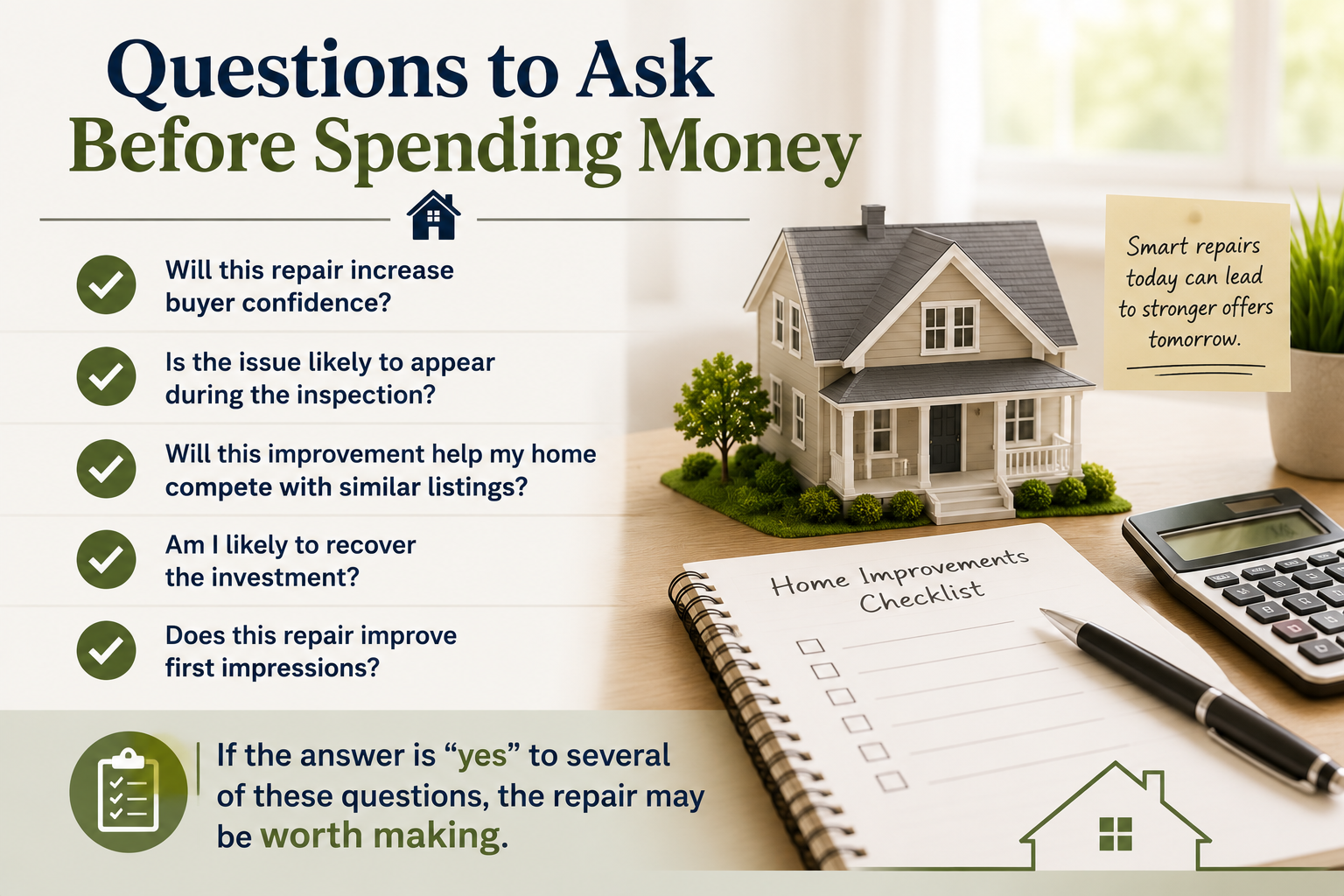
Before hiring contractors, ask yourself:
What Buyers Really Notice
Many sellers worry about tiny imperfections that buyers barely notice.
In reality, buyers tend to focus on:
Overall cleanliness
Natural light
Layout
Maintenance
Structural condition
Updated appearance
Curb appeal
A well-maintained home often feels more valuable than one filled with expensive upgrades but lacking basic care.
As Peter Klein shares with clients:
"Buyers don't expect perfection. They expect confidence that the home has been cared for."
That confidence can translate into stronger offers and smoother negotiations.
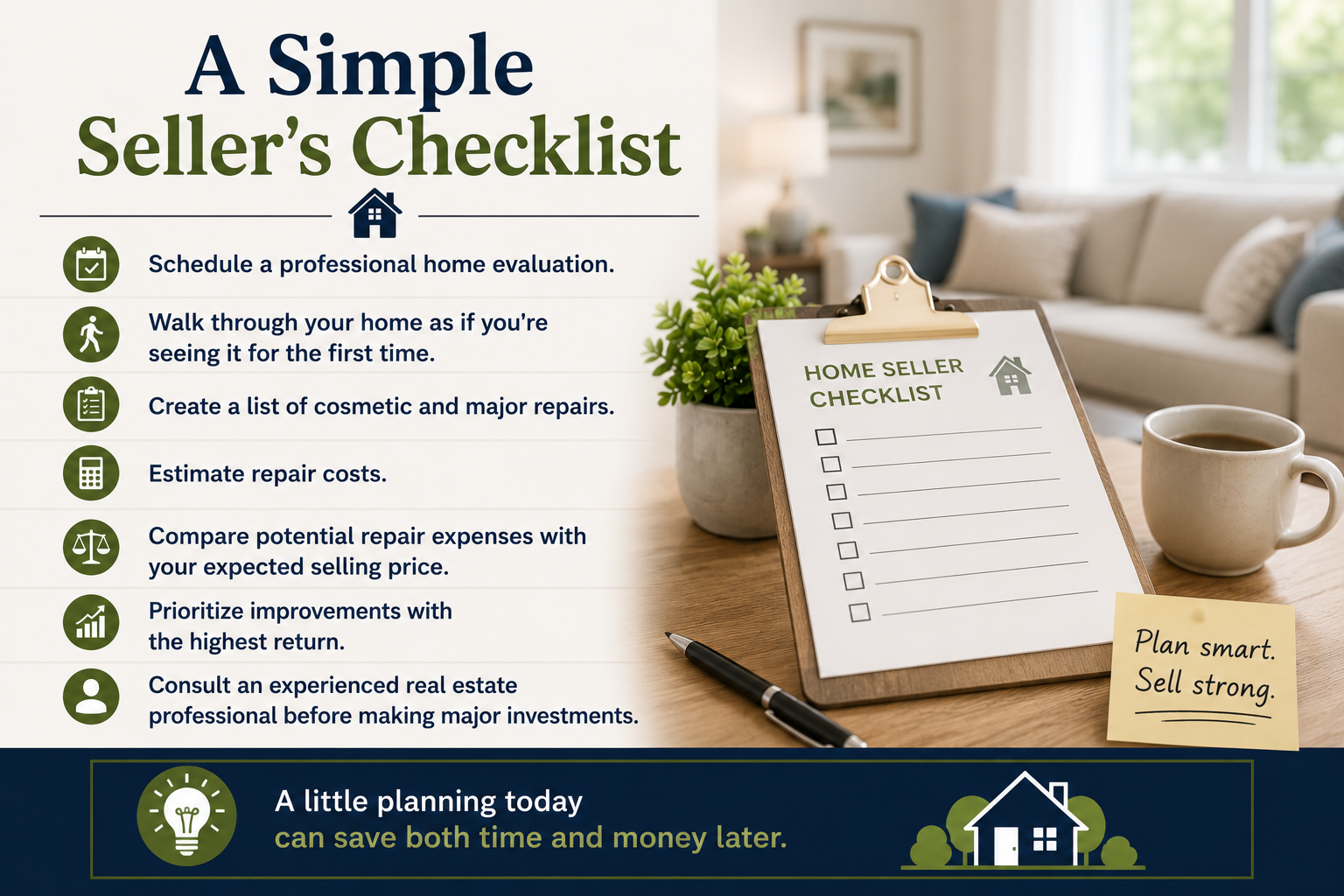
Before deciding whether to sell as-is or make repairs, work through this checklist:
The Bottom Line
There's no universal answer to whether you should sell your home as-is or make repairs first. Every property, neighborhood, and seller's situation is different.
Sometimes selling as-is is the fastest and most practical solution. Other times, investing in a few strategic improvements can attract more buyers, generate stronger offers, and maximize your final sale price.
The smartest decision starts with understanding your home's current value, your local market, and your personal goals.
If you're thinking about selling and aren't sure which option is right for you, the experienced team at Tress Homes is here to help. We'll evaluate your property, discuss your options, and recommend the strategy that makes the most financial sense for your unique situation.
Ready to take the next step? Browse available homes and valuable real estate resources at HomeOnward.com, or contact us anytime at tresshomes@gmail.com for personalized guidance. Whether you're preparing to sell, searching for your next home, or simply exploring your options, we're here to help you move forward with confidence.