
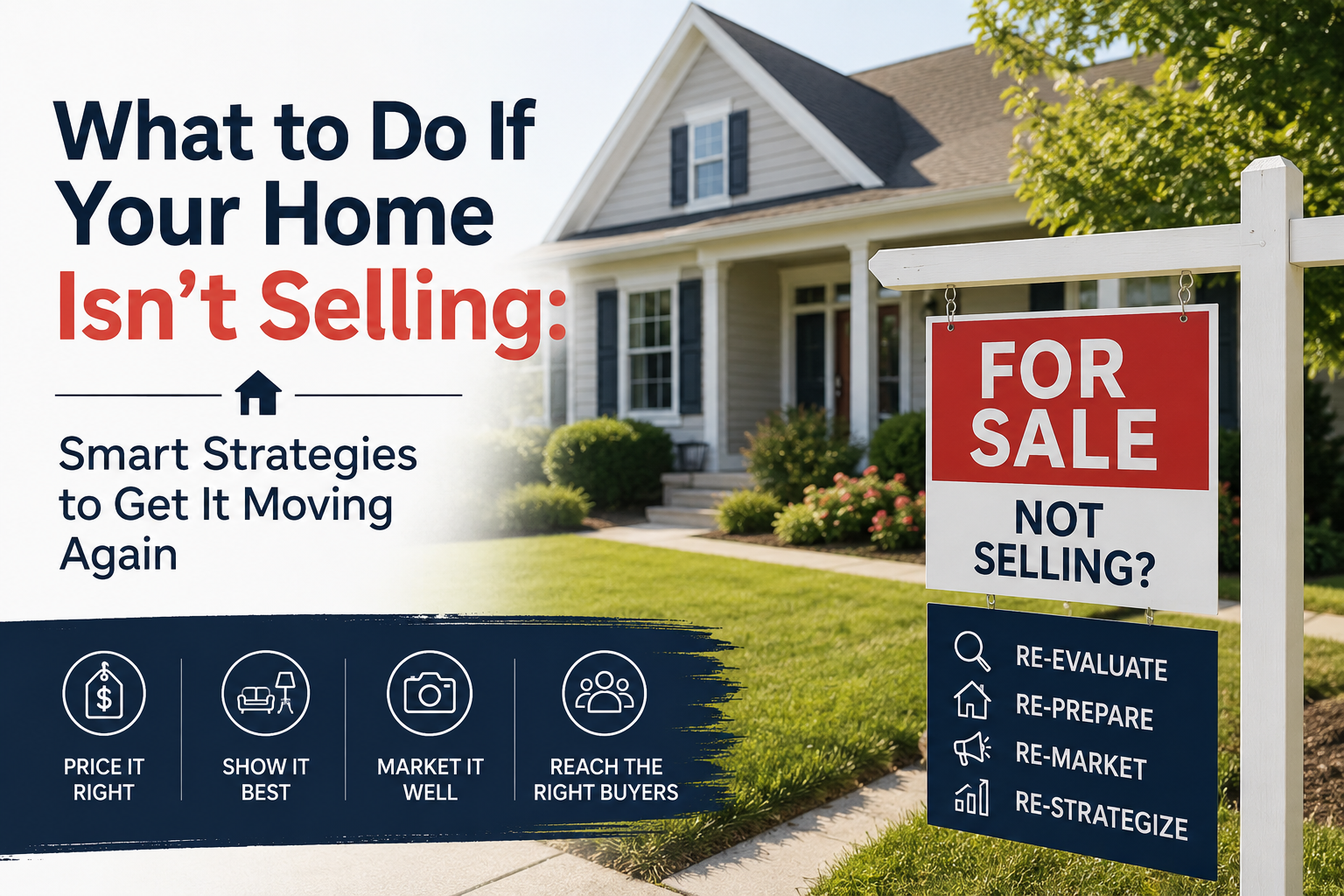
You put your home on the market expecting showings, offers, and a smooth path to closing. But weeks—or even months—have passed, and your home is still sitting unsold.
If that sounds familiar, you're not alone.
Many homeowners experience frustration when their property doesn't sell as quickly as expected. The good news? An unsold home doesn't automatically mean something is wrong with the property itself. In many cases, a few strategic adjustments can reignite buyer interest and help your home stand out in a competitive market.
Think of selling a home like fishing. Even with the best bait, you may need to change your location, timing, or technique before you get the results you're looking for.
Let's explore some common reasons homes struggle to sell—and more importantly, what you can do about it.
Why Homes Sometimes Sit on the Market
The real estate market is constantly changing. Interest rates, local inventory, buyer demand, and seasonal trends all influence how quickly homes sell.
When a property remains on the market longer than expected, it's often due to one or more of these factors:
Pricing that doesn't align with current market conditions
Limited online visibility
Outdated presentation or staging
Condition issues that concern buyers
Strong competition from similar listings
The key is identifying what's causing buyers to hesitate and making strategic adjustments.
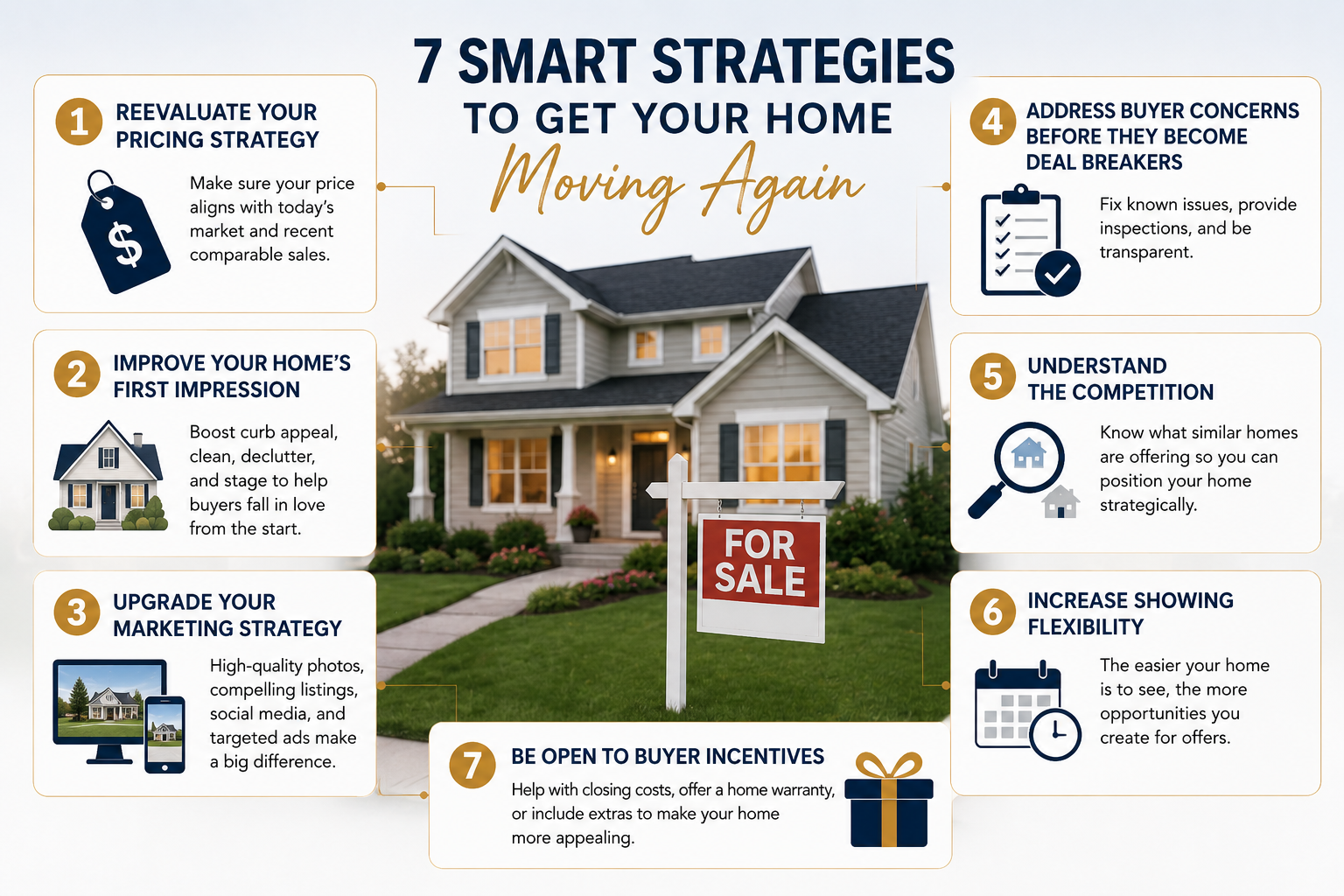
1. Reevaluate Your Pricing Strategy
One of the most common reasons a home doesn't sell is pricing.
Many sellers assume that pricing high leaves room for negotiation. However, today's buyers have access to extensive market data and can quickly recognize when a home is overpriced.
An overpriced home may receive fewer showings, which can lead buyers to wonder if something is wrong with the property.
Signs Your Price May Need Adjustment
Very few showings despite active marketing
Lots of online views but no inquiries
Multiple showings without offers
Comparable homes are selling faster
As Peter Klein, Team Leader of Tress Homes, often says:
"The market always speaks. The longer a home sits without serious interest, the more important it becomes to listen to what buyers are telling us through their actions."
A fresh comparative market analysis can help determine whether your asking price remains competitive.
2. Improve Your Home's First Impression
Buyers often form opinions within seconds of seeing a property online or arriving for a showing.
If your home's presentation isn't making a strong first impression, buyers may move on before fully exploring its potential.
Focus on These High-Impact Areas
Exterior Curb Appeal
Fresh landscaping
Clean walkways
Trimmed bushes
Power-washed siding and driveways
Updated front door hardware
Interior Presentation
Declutter rooms
Remove personal items
Maximize natural light
Rearrange furniture to create open spaces
Deep clean every room
Remember: buyers aren't just purchasing walls and floors—they're imagining a future lifestyle.
3. Upgrade Your Marketing Strategy
Today's home search begins online.
If your listing photos, videos, or descriptions aren't capturing attention, potential buyers may scroll past your home without scheduling a visit.
Effective Real Estate Marketing Includes:
Professional photography
Virtual tours
Drone photography when appropriate
Engaging property descriptions
Social media promotion
Targeted online advertising
A well-marketed listing attracts more qualified buyers and increases the likelihood of receiving competitive offers.
"Marketing isn't about listing a home—it's about telling its story," says Peter Klein. "Every property has unique features that deserve to be showcased."
4. Address Buyer Concerns Before They Become Deal Breakers
Sometimes buyers love a home but hesitate because of concerns about maintenance or repairs.
Small issues can create the impression that larger problems may exist.
Common Buyer Red Flags
Peeling paint
Outdated fixtures
Leaky faucets
Damaged flooring
Visible maintenance concerns
Consider obtaining a pre-listing inspection if your home has been on the market for an extended period. Identifying and addressing issues upfront can build buyer confidence and reduce surprises later.
5. Understand the Competition
If several similar homes are available nearby, buyers naturally compare them.
Ask yourself:
What makes my home unique?
Does my property offer features competitors don't?
How does my pricing compare?
Is my home presented as well as other listings?
Analyzing competing listings can reveal opportunities to make your property more attractive.
Sometimes a small improvement, a strategic price adjustment, or enhanced marketing can help your home stand out from the crowd.
6. Increase Showing Flexibility
The easier it is for buyers to view your home, the more opportunities you'll have to receive offers.
Restrictive showing schedules can unintentionally limit your buyer pool. Many buyers have busy work schedules and may need evening or weekend appointments.
Tips for Better Accessibility
Allow same-day showings when possible
Keep the home showing-ready
Offer weekend and evening viewing times
Consider open houses to increase exposure
As Peter Klein, Team Leader of Tress Homes, notes:
"Every showing is a potential opportunity. The more accessible your home is, the more chances buyers have to fall in love with it."
7. Be Open to Buyer Incentives
In competitive markets, incentives can help your home stand out without requiring a major price reduction.
Buyers are often balancing affordability concerns, especially when mortgage rates fluctuate.
Incentives That Can Attract Buyers
Offer a home warranty
Contribute toward closing costs
Include certain appliances
Provide a repair credit
Offer a mortgage rate buy-down contribution
Sometimes a modest incentive can be the deciding factor that moves a buyer from interested to committed.
Frequently Asked Questions from Sellers
Should I Take My Home Off the Market and Relist Later?
In some situations, temporarily withdrawing a listing can be beneficial. However, this decision depends on market conditions, timing, and your specific goals. Consult with an experienced real estate professional before making changes.
Is a Price Reduction a Sign of Failure?
Not at all.
A price adjustment is often a strategic move designed to attract fresh buyer interest. In many cases, a properly priced home generates more activity and may even receive multiple offers.
How Long Should a Home Take to Sell?
Every market is different. Factors such as location, price range, seasonality, and local demand all affect average selling times.
The important question isn't how long your home has been listed—it's whether your current strategy is producing results.
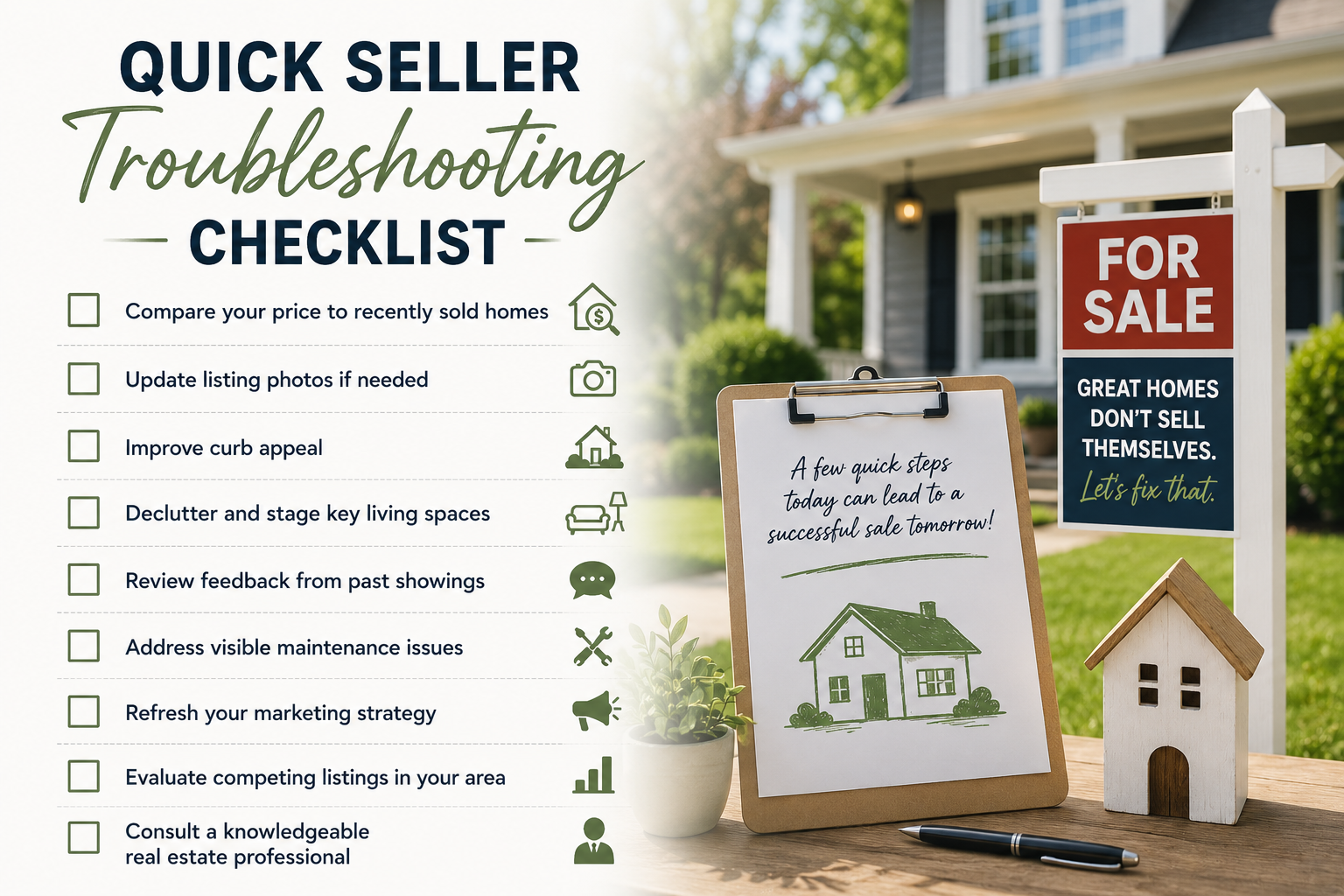
If your home isn't selling, review this checklist:
The Bottom Line
An unsold home can feel discouraging, but it doesn't mean your selling goals are out of reach. Often, success comes from identifying what's preventing buyers from taking the next step and making thoughtful adjustments.
Whether it's refining your pricing strategy, enhancing presentation, improving marketing, or addressing buyer concerns, the right changes can make a significant difference.
The real estate market is always evolving, and flexibility is often the key to success.
If you're thinking about selling, buying, or simply want expert guidance on today's market, explore available properties at HomeOnward.com or reach out to Peter Klein and the Tress Homes team at tresshomes@gmail.com. We're here to help you navigate every step of your real estate journey with confidence.