

Buying or selling a home is one of the biggest financial decisions most people will ever make. But here’s a question many people quietly wonder during the process:
“How do I know my agent is truly fighting for the best deal for me?”
It’s a fair concern. Real estate negotiations can feel a little like an iceberg — you only see a small portion of what’s happening above the surface. Behind the scenes, your agent may be negotiating price, repairs, timelines, contingencies, closing costs, and even emotional tensions between buyers and sellers.
A skilled negotiator can save you thousands of dollars, protect your interests, and make the entire experience smoother. On the other hand, a weak negotiator may leave money on the table or create unnecessary stress.
So how can you tell the difference?
In this guide, we’ll break down the signs of a strong real estate negotiator, the red flags to watch for, and practical ways to ensure you’re getting the best possible representation in today’s housing market.
Why Negotiation Skills Matter More Than Ever
In competitive real estate markets, negotiation is no longer just about price. It’s about strategy.
A great real estate agent knows how to:
Position an offer competitively without overpaying
Protect sellers from unnecessary concessions
Navigate inspections and appraisal issues
Handle multiple-offer situations
Keep emotions from derailing the transaction
Think of negotiations like a chess match rather than a coin toss. Every move matters, and experienced agents know how to think several steps ahead.
According to Peter Klein, Team Leader of Tress Homes:
“The best negotiation isn’t always the loudest one. It’s the strategy that protects your goals while keeping the deal moving forward.”
That balance is what separates an average agent from a trusted advisor.
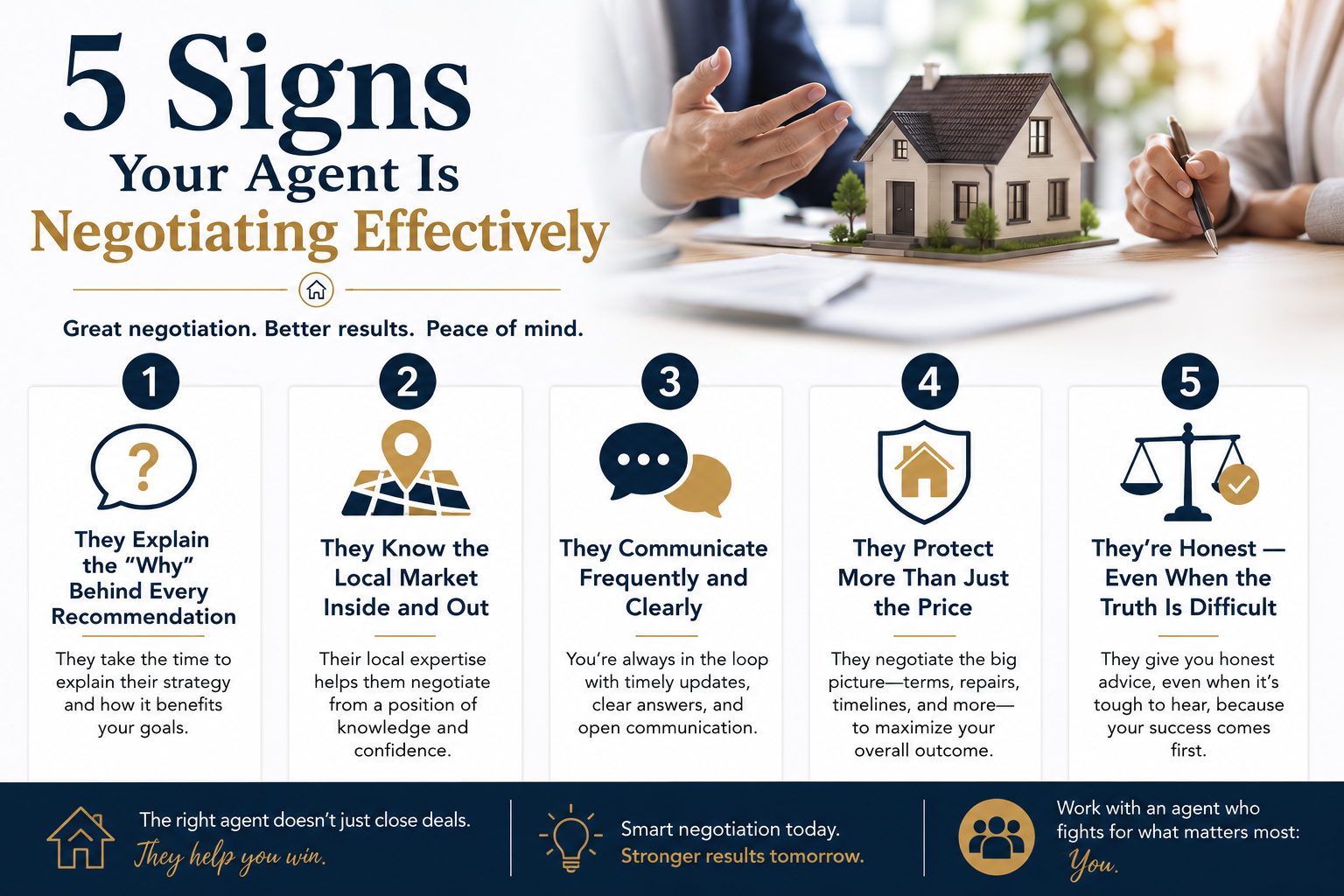
1. They Explain the “Why” Behind Every Recommendation
A strong negotiator doesn’t just tell you what to do — they explain the reasoning behind it.
For example, if your agent suggests:
Offering above asking price
Asking for fewer repairs
Delaying a counteroffer
Including specific contingencies
…they should clearly explain how that strategy benefits you.
Good agents educate their clients instead of pressuring them.
If your agent can confidently explain market conditions, buyer psychology, and negotiation tactics in simple language, that’s usually a strong sign they know what they’re doing.
2. They Know the Local Market Inside and Out
Negotiation without local market knowledge is like trying to drive with fogged-up windows.
A skilled agent understands:
Neighborhood pricing trends
Average days on market
Inventory levels
Buyer demand
Seller expectations
This knowledge helps them negotiate from a position of confidence rather than guesswork.
For example:
In a seller’s market, your agent may focus on making your offer more attractive beyond price.
In a buyer’s market, they may negotiate repairs, credits, or better terms more aggressively.
Local expertise creates leverage.
As Peter Klein puts it:
“The strongest negotiating tool is knowing what’s happening street by street — not just city by city.”
3. They Communicate Frequently and Clearly
One major sign of a strong agent is proactive communication.
You should never feel left in the dark wondering:
What’s happening with your offer
Whether the other side responded
What the next step is
What risks or opportunities exist
A good negotiator keeps you informed while staying calm under pressure.
Real estate transactions often involve emotional decisions. Great agents act like steady captains during rough waters, helping clients stay focused on long-term goals instead of reacting emotionally in the moment.
4. They Protect More Than Just the Price
Many people assume negotiation only revolves around the final sale price. But experienced agents know the best deals are about the full picture.
A strong negotiator may help you secure:
Flexible closing dates
Repair credits
Home warranties
Seller-paid closing costs
Better contingency terms
Favorable possession timelines
Sometimes saving $5,000 on repairs matters more than negotiating another $2,000 off the list price.
The best agents understand value beyond numbers.
5. They’re Honest — Even When the Truth Is Difficult
One surprising sign of a great negotiator?
They’re willing to tell you things you may not want to hear.
For buyers, that could mean:
“This home is overpriced.”
“You may need a stronger offer.”
“Waiting could cost you this property.”
For sellers:
“The home may need better staging.”
“The price needs adjustment.”
“Buyers are noticing deferred maintenance.”
Honest advice builds trust — and trust leads to smarter decisions.
An agent who simply agrees with everything you say may be prioritizing comfort over results.
Here are a few warning signs to watch for:
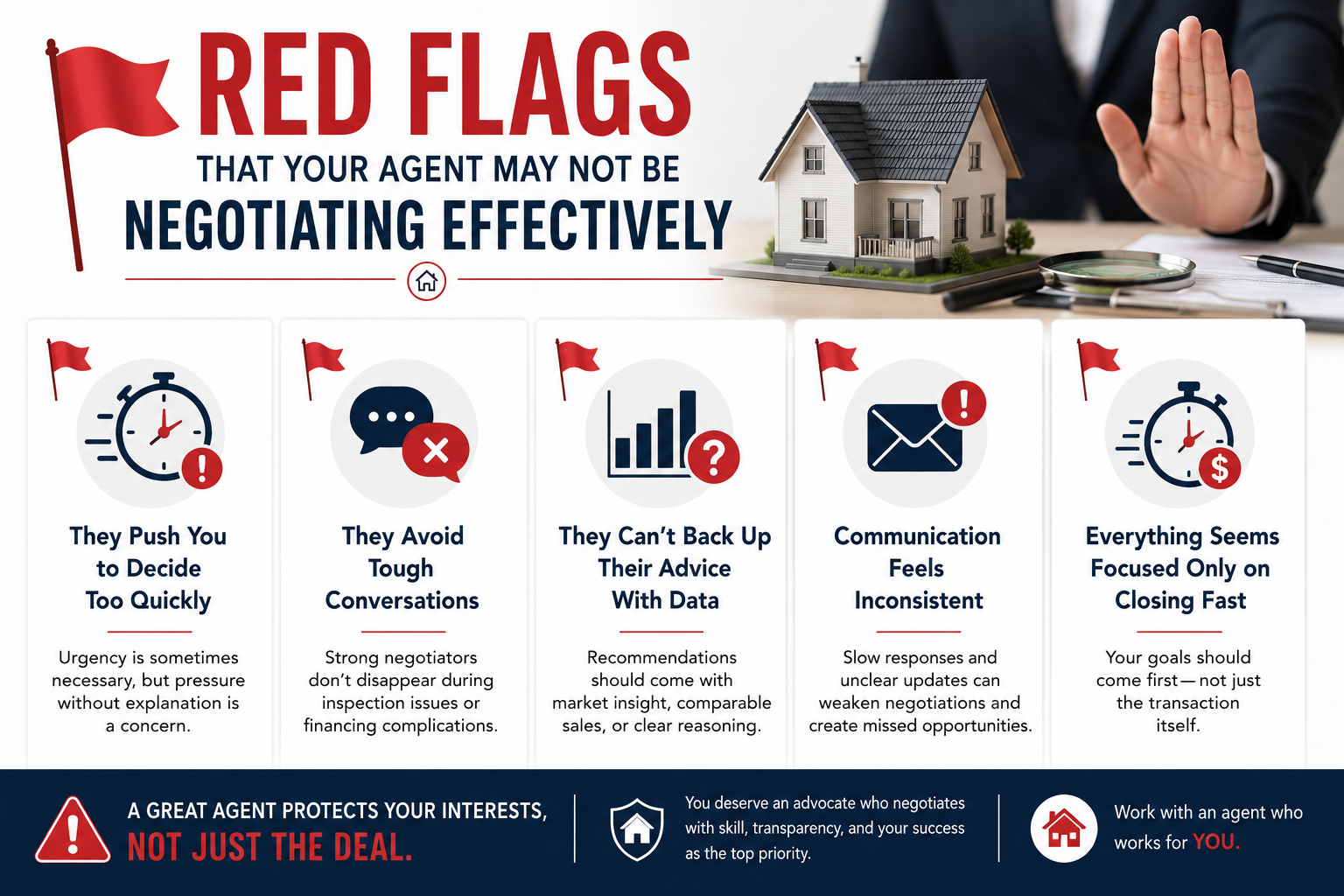
Before moving forward, ask yourself:

The Bottom Line
Real estate negotiation is part strategy, part communication, and part experience. The right agent doesn’t just open doors — they help protect your investment, reduce stress, and guide you toward smarter decisions.
Whether you’re buying your first home or preparing to sell, having a trusted negotiator on your side can make a major difference in both your financial outcome and your overall experience.
At the end of the day, the best real estate agents aren’t focused on simply closing deals. They’re focused on helping clients win in ways that truly matter.
If you’re thinking about buying or selling and want expert guidance, explore available opportunities at HomeOnward.com or reach out directly to Peter Klein and the Tress Homes team at for personalized advice and support.