

Moving into a new home is exciting — but let’s be honest, it can also feel overwhelming. Between packing boxes, updating addresses, coordinating schedules, and adjusting to a new neighborhood, the process can quickly turn stressful if you’re not prepared.
The good news? A smooth move isn’t about perfection — it’s about planning.
Whether you’re a first-time homebuyer, upgrading to a larger space, or relocating for a fresh start, understanding the moving process can save you time, money, and unnecessary headaches. Think of moving like preparing for a road trip: the better your map, the smoother the journey.
As Peter Klein, Team Leader of Tress Homes, often says, “A home purchase doesn’t end at closing day — that’s where the next chapter begins.”
In this guide, we’ll walk through practical moving tips, common mistakes to avoid, and simple strategies to help make your transition into a new home easier and more enjoyable.
Why Moving Preparation Matters More Than You Think
Many people focus heavily on finding the right home but underestimate the importance of the moving process itself. Yet poor planning can lead to damaged belongings, unexpected costs, scheduling delays, and added stress during an already emotional transition.
A well-organized move helps you:
Protect your belongings
Stay within budget
Reduce stress and last-minute chaos
Settle into your new home faster
Start your new chapter with confidence
Moving is more than transporting furniture — it’s transitioning your daily life into a completely new environment.
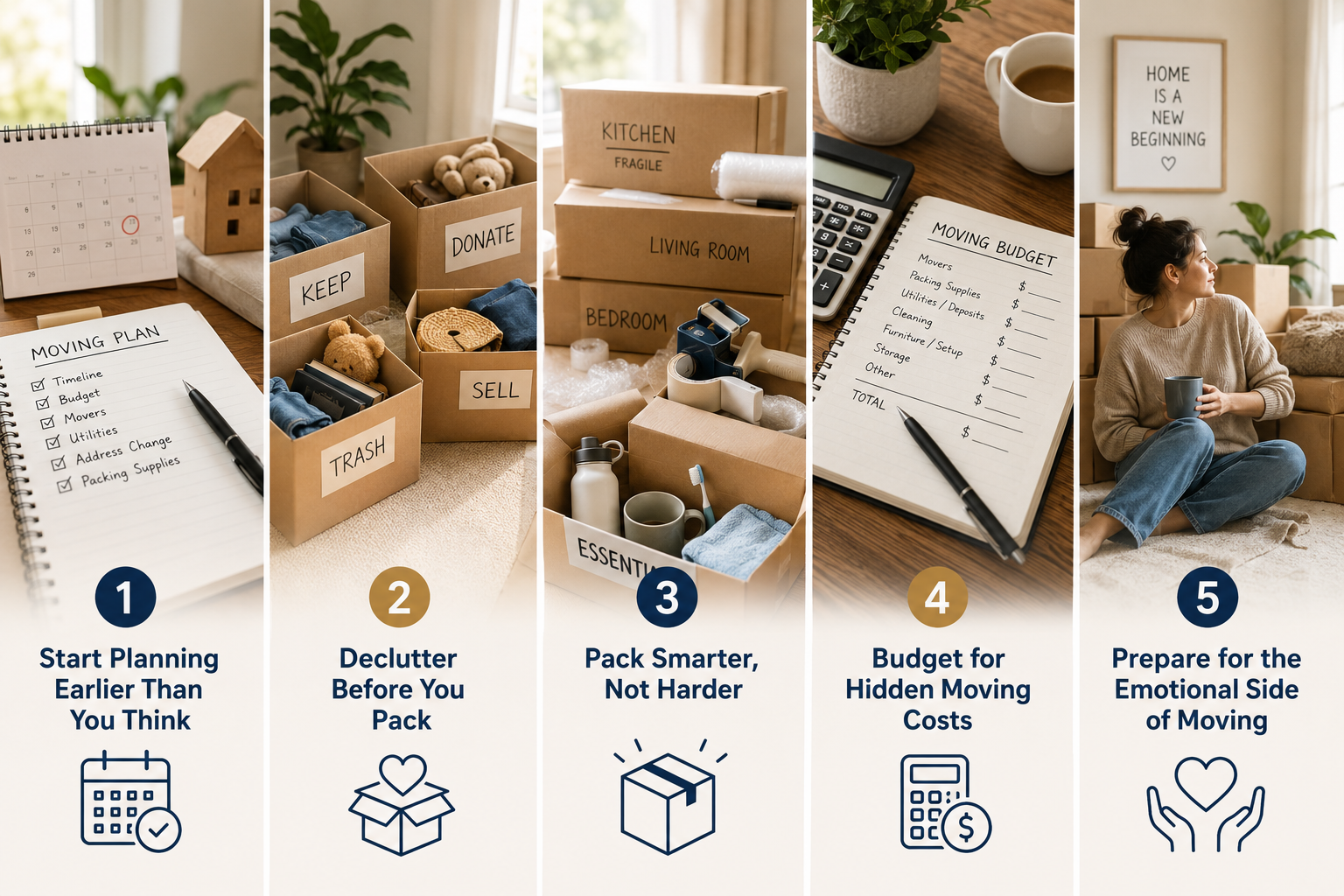
1. Start Planning Earlier Than You Think
One of the biggest moving mistakes is waiting too long to prepare.
Even if your move is weeks away, creating a simple timeline early can make a huge difference. Start by listing key tasks like:
Your Basic Moving Timeline
Schedule movers or reserve a moving truck
Gather packing supplies
Notify utility companies
Update your mailing address
Organize important documents
Deep clean your current home
Plan moving-day essentials
Breaking tasks into smaller steps makes the process feel more manageable instead of overwhelming.
Peter Klein shares this advice with many clients: “The smoother the preparation, the smoother the move. Small steps taken early prevent major stress later.”
2. Declutter Before You Pack
Moving gives you the perfect opportunity to evaluate what you truly need.
Why pack items you no longer use?
Before placing everything into boxes, go room by room and separate items into categories:
Keep
Donate
Sell
Recycle
Throw away
This can save you:
Packing time
Moving expenses
Storage space
Unpacking frustration
Think of decluttering like editing a photo — removing unnecessary clutter helps the important details stand out.
Many homeowners are surprised by how much lighter and more organized they feel after simplifying before a move.
3. Pack Smarter, Not Harder
Packing may seem straightforward, but smart organization can save hours later.
Pro Packing Tips
Label Every Box Clearly
Include:
Room destination
General contents
“Fragile” labels when needed
Use an Essentials Box
Pack a separate box with:
Chargers
Toiletries
Medications
Snacks
Paper towels
Important documents
A few days of clothes
This prevents digging through dozens of boxes your first night.
Don’t Overpack Boxes
Heavy boxes are harder to carry and more likely to break. Use smaller boxes for books and heavier items.
Take Photos of Electronics
Before disconnecting cords and devices, snap a quick photo for easier setup later.
These small habits can save significant time and frustration during unpacking.
4. Budget for Hidden Moving Costs
Many buyers plan for their down payment and closing costs but forget to budget for moving expenses.
Some common hidden costs include:
Moving company fees
Packing supplies
Utility deposits
Furniture assembly
Cleaning services
Temporary storage
Fuel and transportation
New furniture or appliances
Creating a moving budget early helps avoid financial surprises.
As Peter Klein explains, “A successful move isn’t only about getting the keys — it’s about being financially prepared for the transition afterward.”
5. Prepare for the Emotional Side of Moving
Moving isn’t just physical — it’s emotional too.
Even exciting moves can bring mixed feelings:
Anxiety
Stress
Sadness
Uncertainty
Excitement
Leaving a familiar place often feels bittersweet. That’s completely normal.
One helpful strategy is focusing on routines instead of perfection. Simple habits like setting up your kitchen first, meeting neighbors, or exploring local coffee shops can help your new house feel like home faster.
Remember: homes are built with memories over time, not instantly.
Common Moving Challenges — And How to Handle Them
“What if moving day becomes chaotic?”
Create a checklist and confirm schedules with movers at least 48 hours in advance.
“What if I forget something important?”
Keep all essential paperwork, IDs, contracts, and valuables in one clearly labeled personal bag.
“What if unpacking feels overwhelming?”
Focus on one room at a time. Start with bedrooms, bathrooms, and the kitchen first.
“Should I hire professional movers?”
If your budget allows, professional movers can reduce stress and physical strain — especially for long-distance or large-family moves.
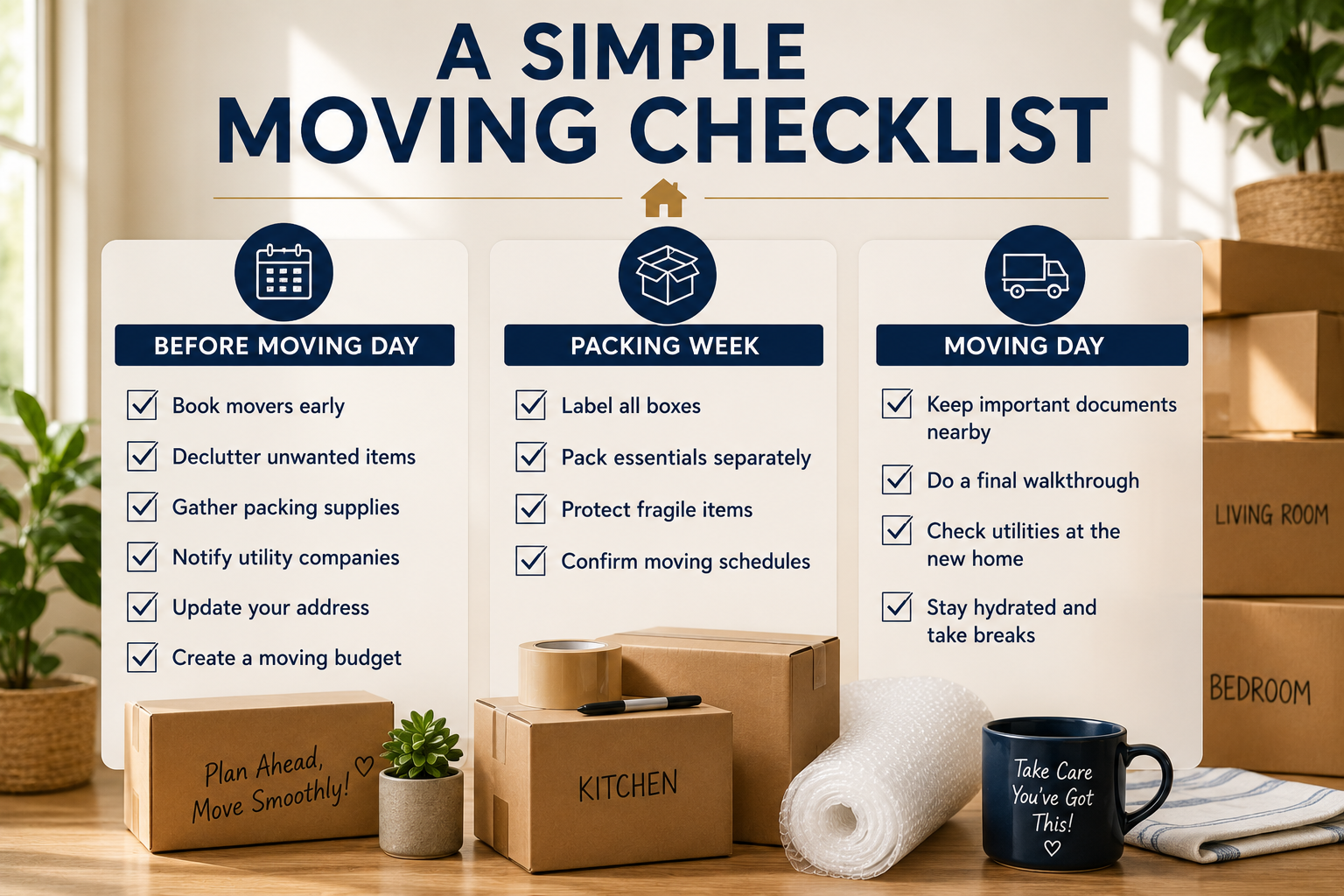
Here’s a quick checklist to keep your move on track:
Your New Beginning Starts Here
Moving into a new home represents more than a change of address — it’s the start of a new chapter, new routines, and new memories.
While the process may feel stressful at times, preparation and the right guidance can make all the difference. By planning ahead, staying organized, and focusing on what matters most, you can turn moving day into an exciting milestone instead of a stressful experience.
If you’re preparing to buy, sell, or move into your next home, the Tress Homes team is here to help guide you every step of the way.
Explore available properties at HomeOnward.com or reach out directly at tresshomes@gmail.com for expert guidance and personalized support.


