

Have you ever looked at a home’s price tag and wondered, “Why did this house jump in value so quickly?” Or maybe you’ve noticed homes in one neighborhood selling within days while others sit on the market longer than expected.
Home prices can sometimes feel like the weather—constantly changing and hard to predict. But behind every shift in the market are real, understandable factors that influence what homes are worth. Whether you’re planning to buy, sell, or simply stay informed, understanding these trends can help you make smarter real estate decisions.
In today’s market, local home prices are being shaped by a combination of supply and demand, mortgage rates, neighborhood growth, economic conditions, and buyer behavior. Knowing how these pieces fit together is especially important in a fast-moving housing market where timing and preparation matter more than ever.
As Peter Klein explains, “The housing market isn’t just about numbers—it’s about people, lifestyle changes, and confidence in the future. Buyers and sellers who understand the ‘why’ behind market shifts are often the ones who make the best long-term decisions.”
Why Local Home Prices Matter More Than National Headlines
It’s easy to get caught up in national real estate news, but real estate is deeply local. A headline about rising prices across the country doesn’t always reflect what’s happening in your neighborhood.
Think of the housing market like a collection of small ponds rather than one giant ocean. Each community has its own conditions affecting prices, including schools, new businesses, transportation improvements, and housing inventory.
That’s why local market knowledge is one of the most valuable tools for buyers and sellers.
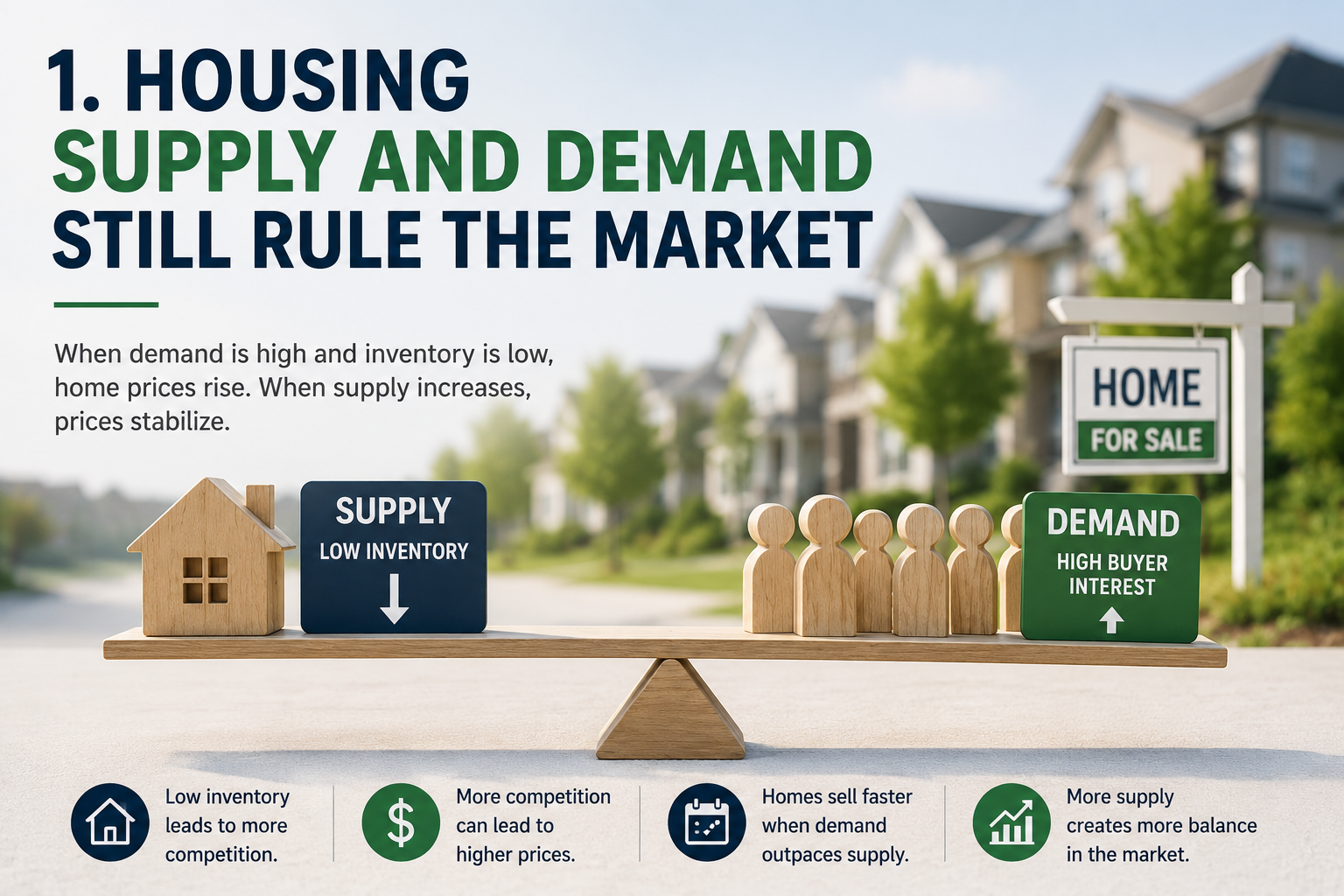
At its core, home pricing comes down to one simple principle: supply and demand.
When there are more buyers than available homes, prices tend to rise. When inventory increases and buyers have more choices, prices often stabilize.
Imagine a popular concert with only a few tickets left. The fewer tickets available, the more valuable they become. Housing works much the same way.
Why This Matters
Low housing inventory can lead to:
Competitive bidding wars
Faster home sales
Higher selling prices
Increased pressure on buyers
On the other hand, higher inventory may:
Give buyers more negotiating power
Slow price growth
Create opportunities for first-time buyers
For sellers, understanding inventory trends can help determine the best time to list a home.

Mortgage rates play a major role in determining what buyers can afford. Even a small increase in interest rates can significantly change monthly payments.
For example, a buyer shopping comfortably within budget at one interest rate may suddenly need to lower their price range if rates rise.
The Ripple Effect of Higher Rates
Higher mortgage rates can:
Reduce buyer demand
Slow price growth
Increase affordability challenges
Cause buyers to pause their search
Lower rates, however, often encourage more buyers to enter the market, increasing competition and pushing prices upward.
Helpful Tip for Buyers
Instead of focusing only on the home price, look at the full monthly payment—including taxes, insurance, and interest. A slightly higher-priced home with a better rate could sometimes be more affordable long-term.
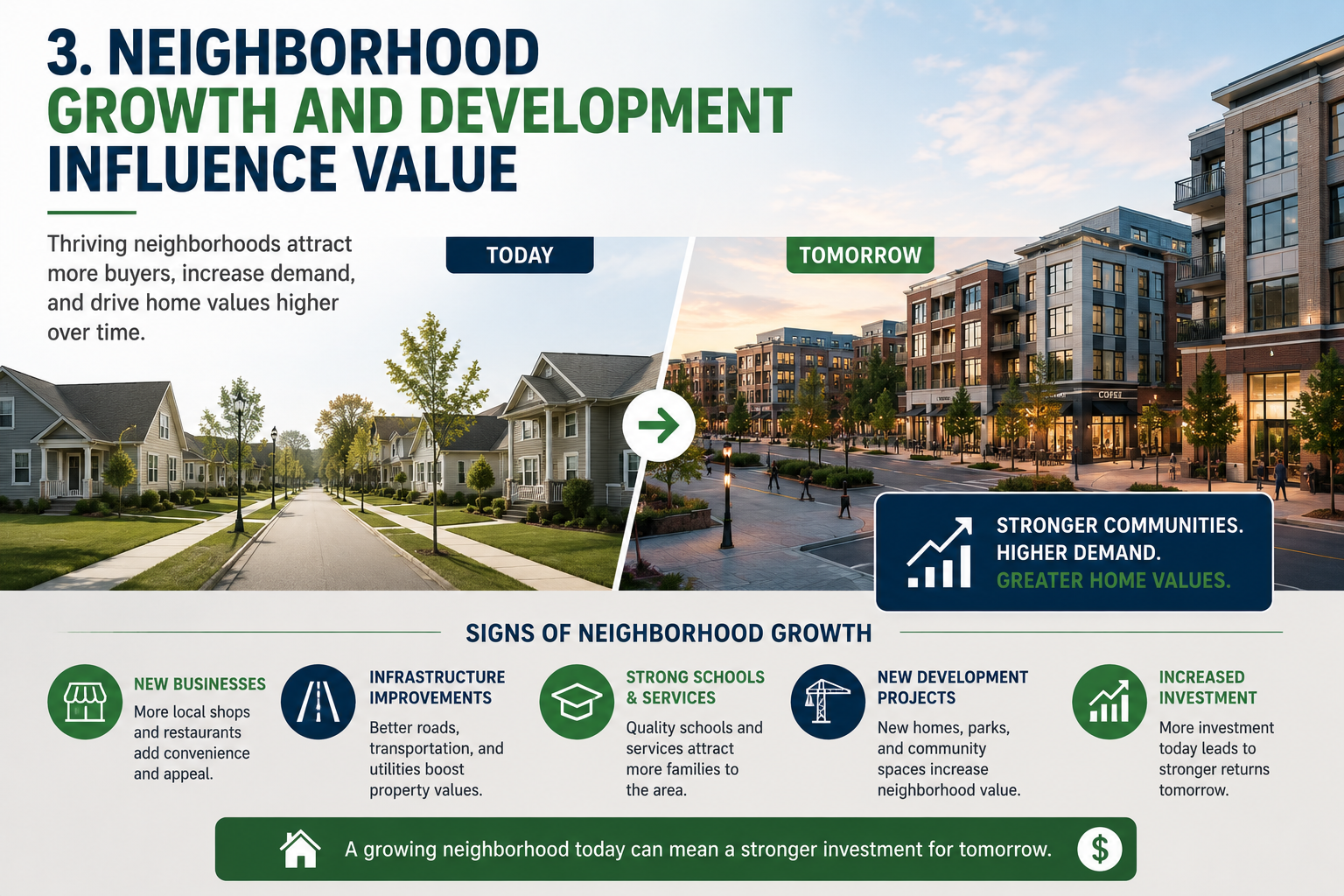
Homebuyers aren’t just buying a house—they’re buying into a lifestyle and a community.
New restaurants, shopping centers, parks, schools, and transportation improvements can all increase neighborhood appeal and property values over time.
Think of it like planting seeds in a garden. As a community grows and improves, home values often grow alongside it.
Key Signs a Neighborhood May Be Growing
Look for:
New businesses opening nearby
Infrastructure improvements
Expanding school districts
Increased local investment
Revitalization projects
Areas experiencing positive growth often attract more buyers, which can naturally push prices higher.

The way people live and work has evolved, and that’s changing what buyers prioritize in a home.
Today’s buyers may place greater value on:
Home offices
Outdoor living spaces
Flexible floor plans
Energy efficiency
Walkable neighborhoods
These preferences can directly affect pricing trends in certain areas and property types.
For example, homes with updated kitchens, dedicated office spaces, or larger yards may command stronger offers because they better match modern lifestyles.
As Peter Klein notes, “Buyer priorities shift over time. Understanding what today’s buyers truly value can help sellers position their homes more effectively and help buyers recognize long-term value.”
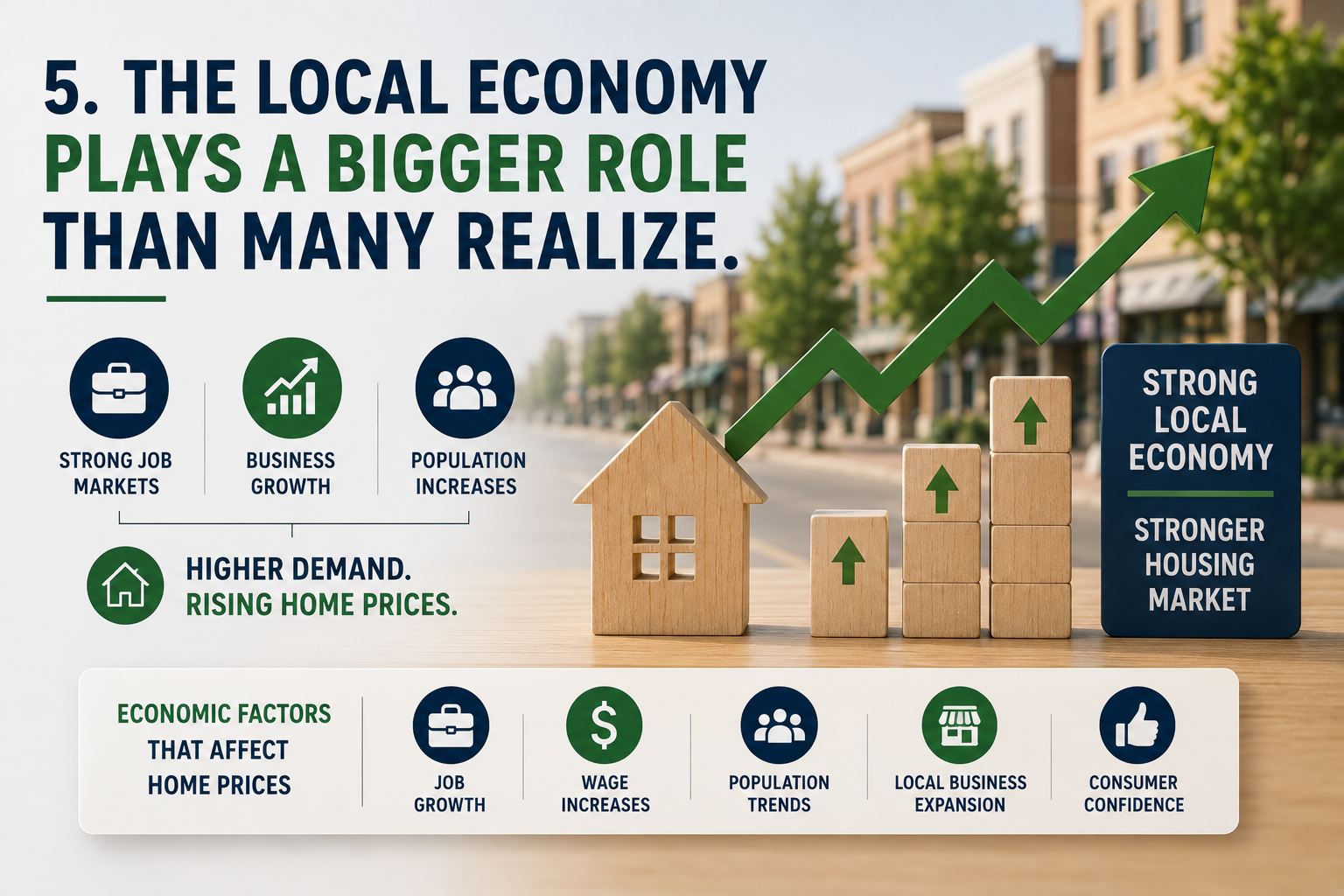
Strong job markets, business growth, and population increases can all contribute to rising home prices.
When people feel financially secure, they’re generally more confident about purchasing homes. Communities with expanding employment opportunities often see increased housing demand.
Economic Factors That Affect Home Prices
Some key indicators include:
Job growth
Wage increases
Population trends
Local business expansion
Consumer confidence
A healthy local economy can create steady demand for housing and support long-term property values.
Challenges Buyers and Sellers May Face
While rising home prices can benefit homeowners, they can also create challenges.
Common Concerns for Buyers
Affordability pressures
Increased competition
Higher monthly payments
Limited inventory
Common Concerns for Sellers
Timing the market correctly
Pricing the home accurately
Balancing buying and selling simultaneously
The good news is that preparation and local guidance can make a significant difference.
Actionable Tips: How to Navigate Today’s Housing Market
Whether you’re buying or selling, these practical steps can help you move forward with confidence.
For Buyers
✅ Get pre-approved before house hunting
✅ Focus on long-term affordability, not just listing price
✅ Research neighborhood growth trends
✅ Be ready to act quickly in competitive markets
✅ Work with a trusted local real estate expert
For Sellers
✅ Price your home strategically based on local data
✅ Improve curb appeal and presentation
✅ Highlight features buyers currently value
✅ Stay flexible during negotiations
✅ Understand your next move before listing
Why Understanding Market Trends Gives You an Advantage
Real estate decisions are often emotional, but successful moves usually come from balancing emotion with information.
When you understand what’s driving local home prices, you’re better prepared to:
Spot opportunities
Avoid costly mistakes
Make informed financial decisions
Plan for the future with confidence
The market will always shift, but knowledge helps you stay one step ahead.
Final Thoughts
Home prices don’t rise or fall randomly. They’re influenced by a combination of supply and demand, mortgage rates, local growth, buyer preferences, and economic conditions. Understanding these factors can help both buyers and sellers make smarter decisions in today’s evolving real estate market.
Whether you’re preparing to buy your first home, sell your current property, or simply explore your options, staying informed is one of the best investments you can make.
Ready to begin your home search or have questions about your local market? Visit HomeOnward or email tresshomes@gmail.com for personalized guidance and expert support from the Tress Homes team.