
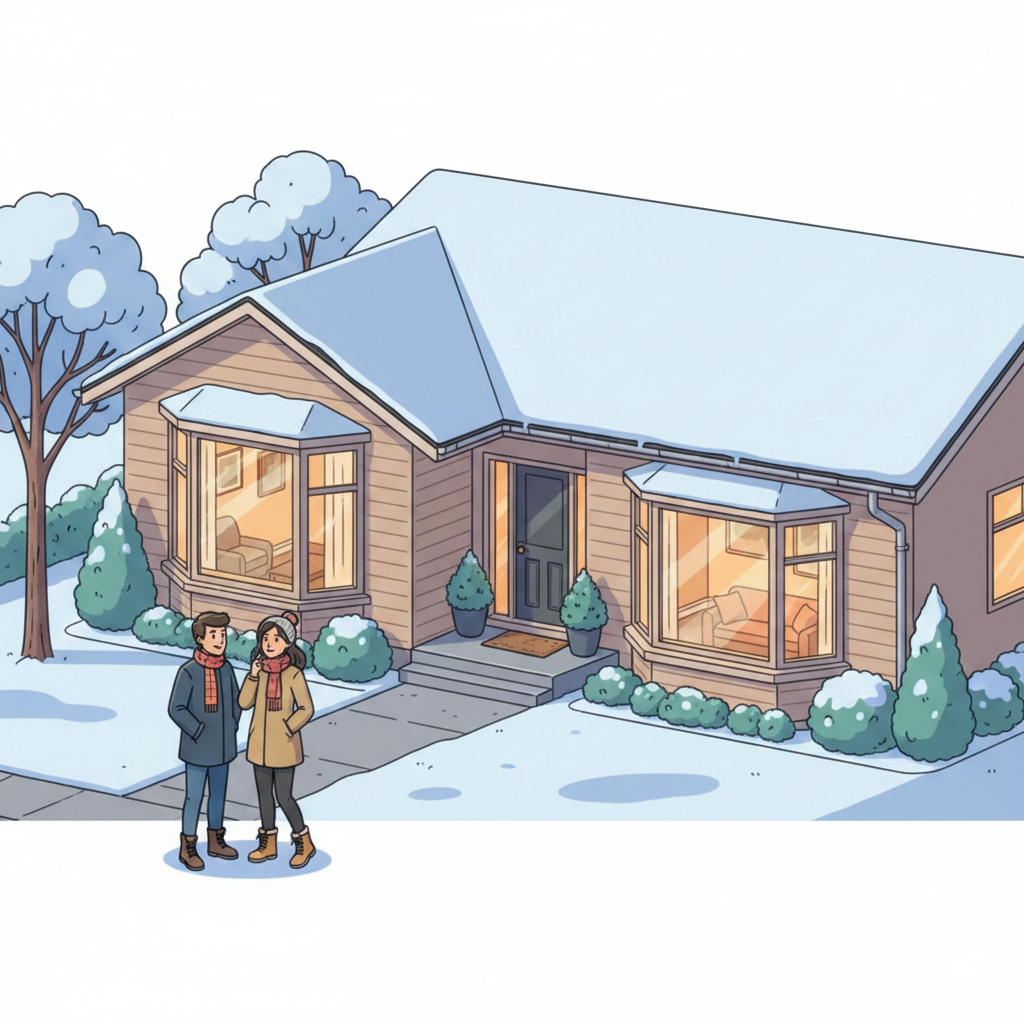
Would you buy a car without checking under the hood—especially in winter?
The same logic applies to buying a home during the colder months. Winter has a way of revealing a property’s true condition. Drafts, leaks, heating issues, and hidden wear often show up when temperatures drop. For homebuyers, that makes winter one of the best times to look closely—not just at finishes and layout, but at how well a home is maintained.
In this guide, we’ll walk through a practical winter home maintenance checklist for buyers, explain why winter inspections matter, and share expert insights to help you make a confident decision. Whether you’re actively house hunting or just starting your search, knowing what to look for now can save you stress—and money—later.
“Winter doesn’t hide problems; it highlights them,” says Peter Klein, Team Leader of Tress Homes. “A well-maintained home in winter usually means fewer surprises after move-in.”
Why Winter Is a Revealing Season for Homebuyers
Think of winter as a stress test for a house. Just like a heavy rain exposes a leaky roof, cold weather puts pressure on key systems—heating, insulation, plumbing, and the building envelope. For buyers, this is valuable information.
A home that stays warm, dry, and efficient during winter often signals good upkeep year-round. On the flip side, issues that appear now may hint at ongoing maintenance concerns.
How This Impacts Buyers
Clearer insight into true condition (not just staged appearances)
Better negotiation leverage if issues are discovered
More accurate budgeting for future repairs or upgrades
Core Benefits of Checking Winter Maintenance Before You Buy

If a home feels cold or drafty, it’s like wearing a winter coat with a broken zipper. Poor insulation, old windows, or air leaks may be to blame. Comfort levels tell a story about energy efficiency and long-term costs.
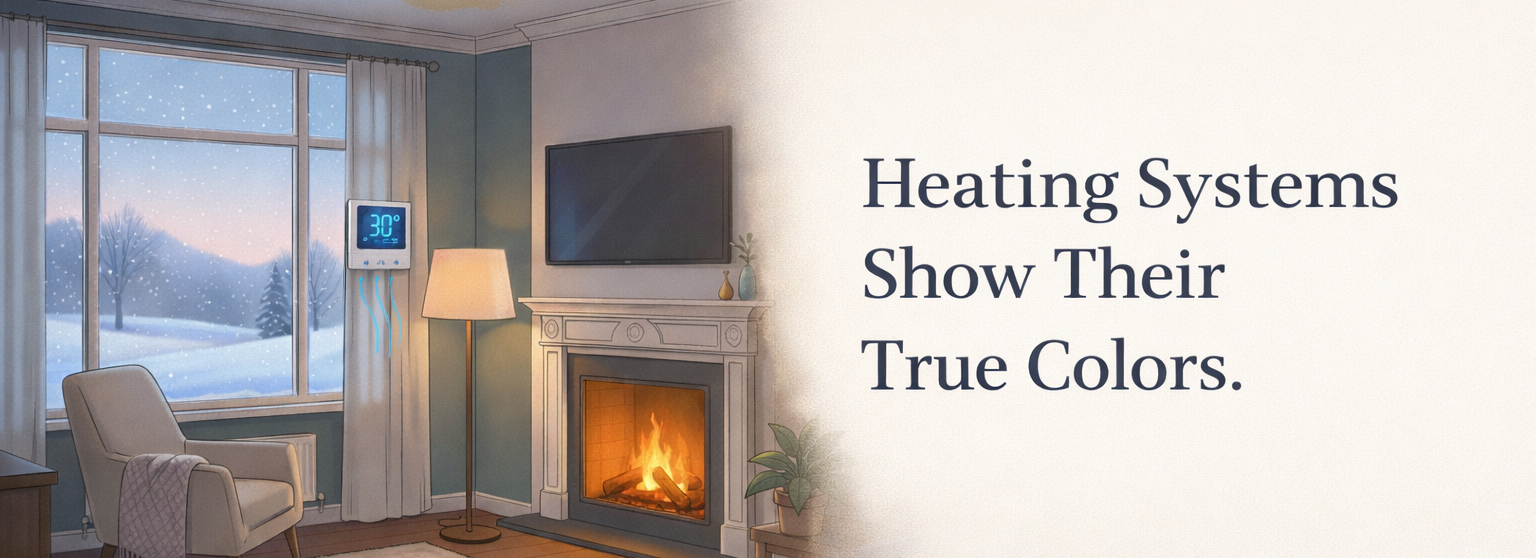
A furnace or heat pump might look fine on paper, but winter proves whether it actually performs. Listen for unusual noises, note uneven heating, and ask about service history.
“Buyers should never be shy about asking when the heating system was last serviced,” Peter Klein advises. “That small question can prevent a big expense.”
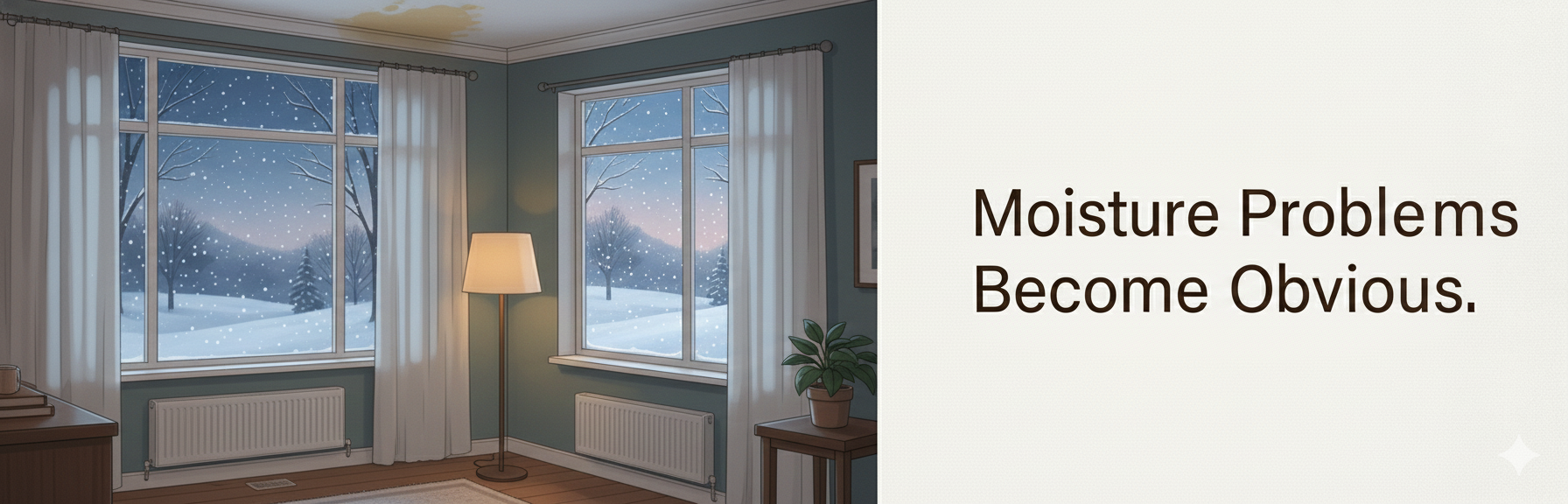
Condensation on windows, musty smells, or water stains can indicate ventilation or moisture issues. Left unchecked, these can lead to mold or structural damage.
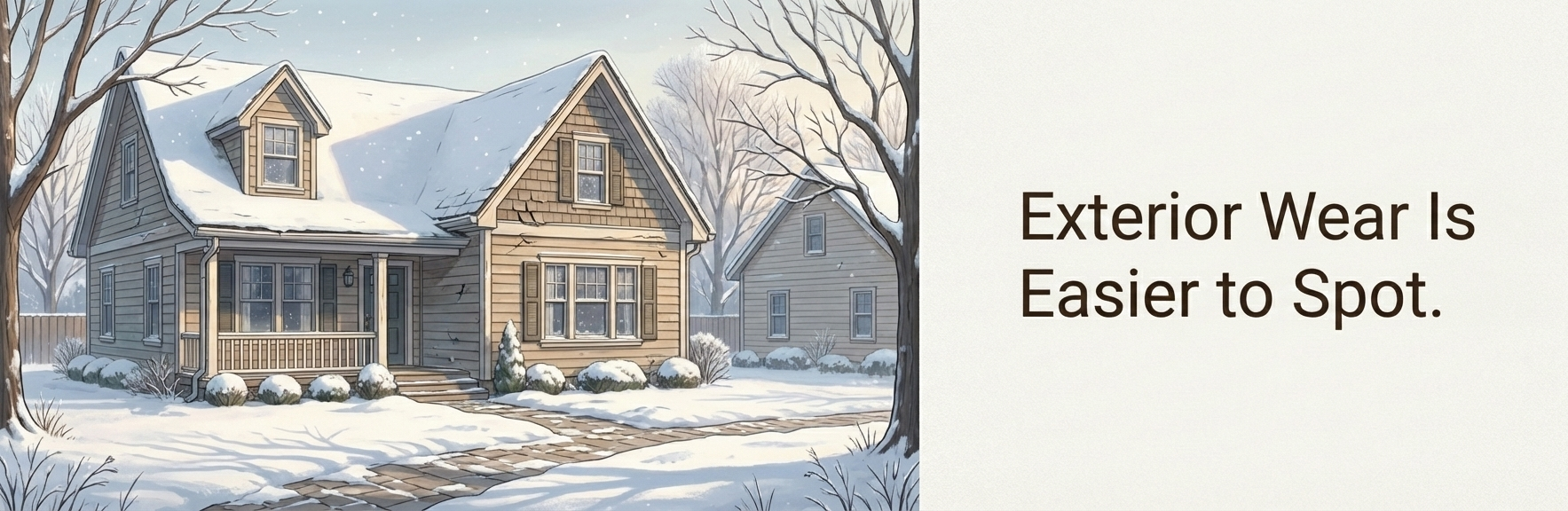
Snow and ice highlight drainage problems, cracked walkways, or roof issues. Icicles hanging from gutters, for example, may signal poor insulation or ventilation in the attic.
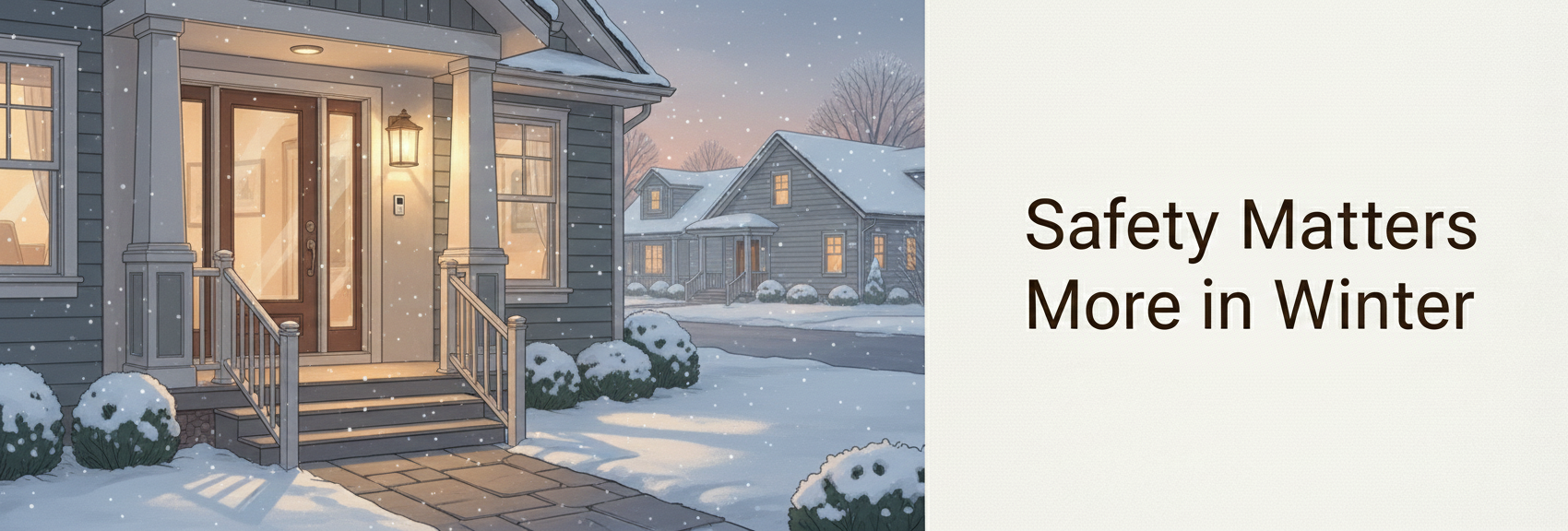
From icy steps to faulty carbon monoxide detectors, winter conditions bring safety into focus—especially important for families or older buyers.
Common Buyer Concerns—and How to Handle Them
Concern: “Winter makes everything look worse than it really is.”
Solution: True—but that’s actually helpful. A home that performs well in tough conditions is usually a solid choice. Pair winter observations with a professional home inspection for balance.
Concern: “Sellers won’t fix winter-related issues.”
Solution: Not always—but issues can be used as negotiation points, credits, or price adjustments.
Concern:“I don’t know what I’m looking for.”
Solution: That’s where a clear checklist (and the right real estate team) makes all the difference.
The Winter Home Maintenance Checklist for Buyers
Use this buyer-friendly winter checklist when touring homes:
Heating & Energy Efficiency
Is the home consistently warm in all rooms?
Ask the age and service history of the heating system
Check for drafts near windows and doors
Look for a programmable or smart thermostat
Insulation & Windows
Double- or triple-pane windows?
Signs of condensation between window panes
Adequate attic insulation (if visible or disclosed)
Plumbing & Water Protection
Any signs of frozen or slow pipes?
Water pressure consistent throughout the home?
Exposed pipes properly insulated?
Roof, Gutters & Drainage
Missing or damaged shingles
Icicles forming along roof edges
Gutters securely attached and clear
Safety Features
Working smoke and carbon monoxide detectors
Clear, safe walkways and stairs
Adequate exterior lighting for early winter nights
Actionable Tips for Buyers This Winter
Visit at different times of day to assess heating consistency
Ask utility cost estimates from the seller for winter months
Bring a checklist (like this one!) to every showing
Work with a knowledgeable local agent who understands winter conditions
Don’t skip the inspection, even if the home “feels fine”
“A confident buyer is an informed buyer,” Peter Klein notes. “When you understand how a home handles winter, you’re making a smarter long-term investment.”
Final Thoughts: Why Winter Checks Matter More Than Ever
Buying a home is one of life’s biggest decisions, and winter gives you a rare, honest look at how a property truly performs. By paying attention to winter home maintenance details—from heating and insulation to safety and moisture—you protect both your comfort and your wallet.
A home that stands strong in winter is more likely to support you through every season ahead.
Ready to Take the Next Step?
Start your property search today at homeonward.com or email tresshomes@gmail.com with questions or for personalized guidance. The right home—and the right support—can make all the difference this winter.