

Are you ready to buy your first home—or are you just thinking about it and feeling a little overwhelmed?
If you’re like most first-time homebuyers, you’ve probably scrolled through listings late at night, saved a few favorites, and wondered, “Am I actually ready for this?” Buying your first home is exciting, but it can also feel like stepping into unfamiliar territory without a map.
That’s exactly why asking the right questions early matters. The better your questions, the better your decisions—and the smoother your journey to homeownership will be.
In this guide, we’ll walk through five essential questions every first-time buyer should ask, why they matter, and how they can save you stress, money, and regret down the road. We’ll also share expert insights from Peter Klein, Team Leader of Tress Homes, to help you feel confident every step of the way.
Why Asking the Right Questions Matters for First-Time Buyers
Buying a home isn’t just a transaction—it’s a life decision. Think of it like planning a road trip: you wouldn’t start driving without knowing your budget, destination, or route. Yet many buyers jump into the market without clarity, relying on guesswork or emotions.
As Peter Klein puts it:
“The biggest mistakes we see with first-time buyers aren’t about the house itself—they’re about decisions made without the right information upfront.”
Asking smart questions helps you:
Avoid costly surprises
Set realistic expectations
Feel confident instead of rushed
Make choices that support your long-term goals
Now let’s break down the five questions that matter most.

This is more than just asking what a lender will approve you for. A mortgage approval is like a credit card limit—it shows the maximum, not what’s comfortable.
Why it matters:
Stretching your budget too far can turn homeownership into a source of stress instead of security.
What to consider beyond the mortgage:
Property taxes
Homeowners insurance
Utilities and maintenance
HOA fees (if applicable)
Helpful analogy:
Buying at the top of your budget is like running a marathon at a sprint pace—you might start strong, but it’s hard to sustain.
Expert insight:
“We encourage buyers to think about lifestyle first,” says Peter Klein. “A home should support your life, not limit it.”
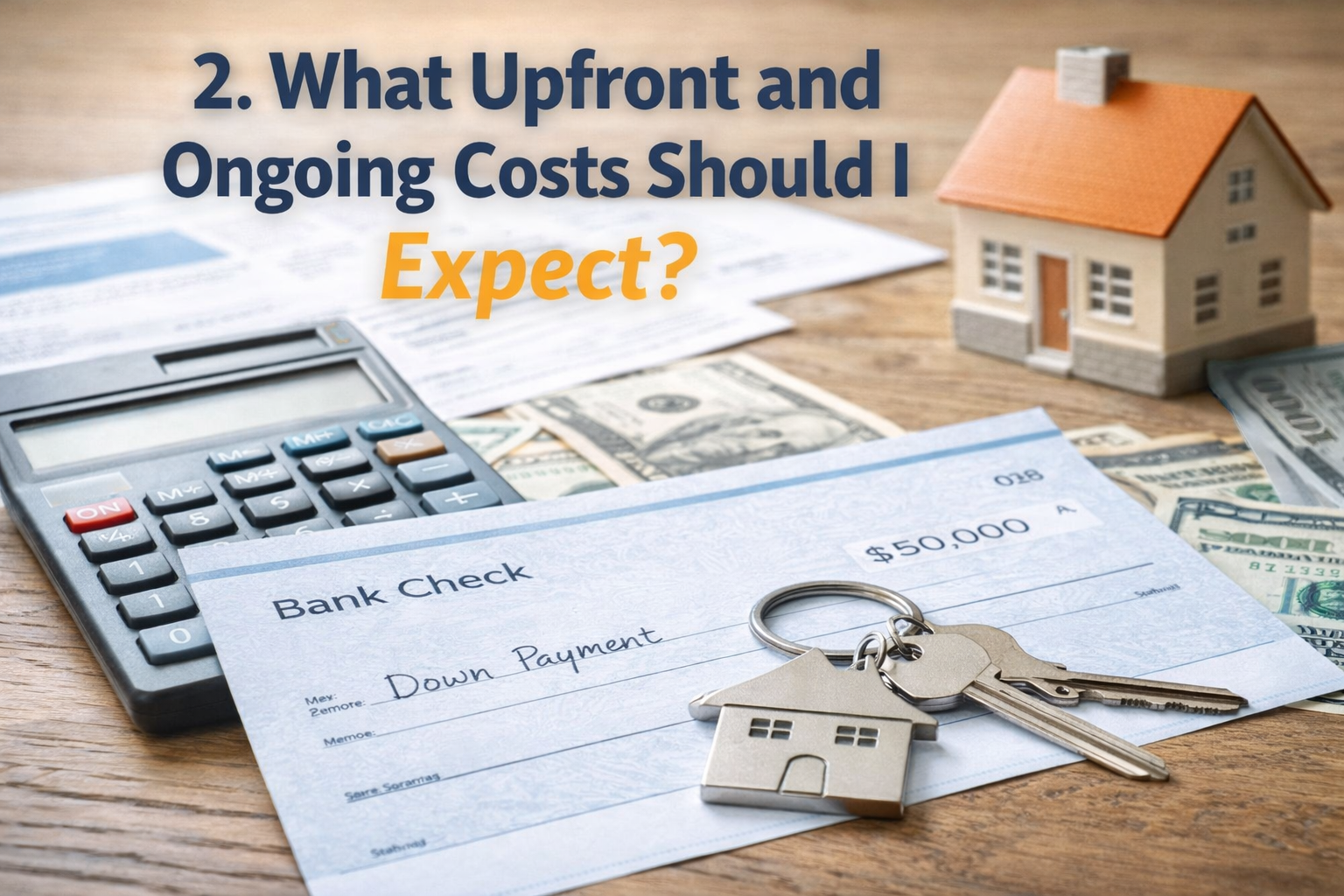
Many first-time buyers focus on the down payment, but that’s only part of the picture.
Why it matters:
Unexpected costs can derail your plans—or your savings—if you’re not prepared.
Common upfront costs include:
Earnest money deposit
Home inspection
Appraisal
Closing costs
Ongoing costs to plan for:
Routine maintenance
Repairs and replacements
Rising utility bills
Pro tip:
Set aside a “home fund” after closing for unexpected repairs. Even newer homes need occasional TLC.

It’s true what they say: location matters. But the “right” location looks different for everyone.
Why it matters:
You can renovate a home, but you can’t change its location.
Questions to ask yourself:
How long is the commute?
Are schools, shops, and healthcare nearby?
Will this area still work for me in 5–10 years?
Think long-term:
Buying a home is like planting a tree. You want to be sure it has room to grow with you.

This is one of the most common—and emotional—questions buyers ask.
Why it matters:
Market conditions, interest rates, and personal readiness all play a role.
Potential concerns buyers have:
“What if prices drop?”
“What if interest rates change?”
Balanced advice:
There’s rarely a “perfect” time to buy. The best time is when your finances, lifestyle, and goals align.
As Peter Klein explains:
“Trying to time the market perfectly often leads to missed opportunities. Focus on what makes sense for you.”

Buying a home isn’t a solo sport. The right professionals make all the difference.
Why it matters:
An experienced real estate team helps you avoid pitfalls, negotiate confidently, and stay informed.
Your team may include:
A trusted real estate agent
A knowledgeable lender
A reliable home inspector
Red flag to watch for:
If you feel rushed, confused, or unheard, it’s time to reassess who you’re working with.
Common First-Time Buyer Challenges—and How to Overcome Them
Even with preparation, challenges happen. Here’s how to handle common concerns:
Fear of overpaying: Work with a local expert who understands market value.
Information overload: Ask your agent to explain things simply—there are no “silly” questions.
Emotional decisions: Step back and revisit your must-have list before making offers.
A Simple First-Time Homebuyer Checklist
Before you start touring homes, make sure you:
Review your monthly budget
Get pre-approved (not just pre-qualified)
List your must-haves vs. nice-to-haves
Research neighborhoods
Choose a real estate professional you trust
Final Thoughts: Confidence Comes from Clarity
Buying your first home doesn’t have to feel intimidating. When you ask the right questions, you replace uncertainty with confidence—and that’s powerful.
By understanding your budget, preparing for costs, choosing the right location, timing your purchase wisely, and building the right team, you set yourself up for long-term success.
Ready to take the next step?
👉 Start your property search at homeonward.com or email tresshomes@gmail.com with questions or to get expert guidance tailored to your goals.
Your first home isn’t just a purchase—it’s the beginning of a new chapter. Let’s make sure it starts on the right foot.


