

What if your home could feel warmer this winter—without cranking up the thermostat or dreading the next energy bill? As temperatures drop, many homeowners brace themselves for higher heating costs, drafty rooms, and uneven warmth. The good news? A few smart, proactive upgrades can make your home more comfortable, energy-efficient, and cost-effective before winter truly hits.
In this article, we’ll walk through why energy efficiency matters more than ever, how it impacts your comfort and finances, and practical, easy-to-understand steps you can take right now. Whether you’re planning to stay put or thinking about selling in the future, winter energy efficiency is a win-win.
Why Energy Efficiency Matters Before Winter
Think of your home like a winter coat. A high-quality coat traps warmth inside and keeps the cold out. A worn-out one lets heat escape, no matter how high you zip it up. Many homes lose heat through small gaps, poor insulation, or outdated systems—and winter exposes those weaknesses fast.
“Energy efficiency isn’t just about saving money,” says Peter Klein, Team Leader of Tress Homes. “It’s about creating a home that works smarter for you—one that’s comfortable, efficient, and more attractive to future buyers.”
With rising energy costs and more buyers prioritizing sustainable features, improving energy efficiency is both timely and strategic.
How an Energy-Efficient Home Impacts You
Making your home more energy-efficient before winter can have immediate and long-term benefits. Here’s how it directly affects homeowners:
1. Lower Heating Bills
When warm air stays inside, your heating system doesn’t have to work overtime. Even small improvements can noticeably reduce monthly energy costs.
2. Better Comfort in Every Room
No more cold floors, icy drafts, or one room that’s always freezing. Energy efficiency creates more consistent indoor temperatures.
3. Reduced Wear on Your Heating System
A well-sealed, insulated home puts less strain on your furnace or heat pump, helping it last longer and need fewer repairs.
4. Increased Home Value
Energy-efficient homes are increasingly appealing to buyers. Features like updated insulation or efficient windows can boost marketability.
5. A Smaller Environmental Footprint
Using less energy means fewer emissions—good for your wallet and the planet.
Common Concerns (and How to Overcome Them)
Some homeowners hesitate because they assume energy upgrades are expensive or complicated. The reality? Many improvements are affordable, quick, and offer strong returns.
Concern: “It sounds costly.”
Solution: Start with low-cost fixes like sealing air leaks or adjusting thermostat settings. These changes often pay for themselves within a season.
Concern: “I don’t know where to begin.”
Solution: Focus on the basics—drafts, insulation, and heating efficiency—before considering bigger upgrades.
Concern: “Will it really make a difference?”
Solution: Yes. According to real estate professionals, even modest efficiency upgrades can noticeably improve comfort and resale appeal.
How to Make Your Home More Energy-Efficient: A Winter Checklist
Here are practical, homeowner-friendly steps you can take before winter arrives.

Small gaps around doors and windows act like invisible open windows. Use weatherstripping or caulk to seal them. It’s inexpensive, quick, and surprisingly effective.
Analogy: Sealing drafts is like tying a scarf tightly around your neck—suddenly, everything feels warmer.

Insulation keeps warm air where it belongs. Check your attic first—it’s one of the biggest sources of heat loss. Adding insulation here can dramatically improve efficiency.
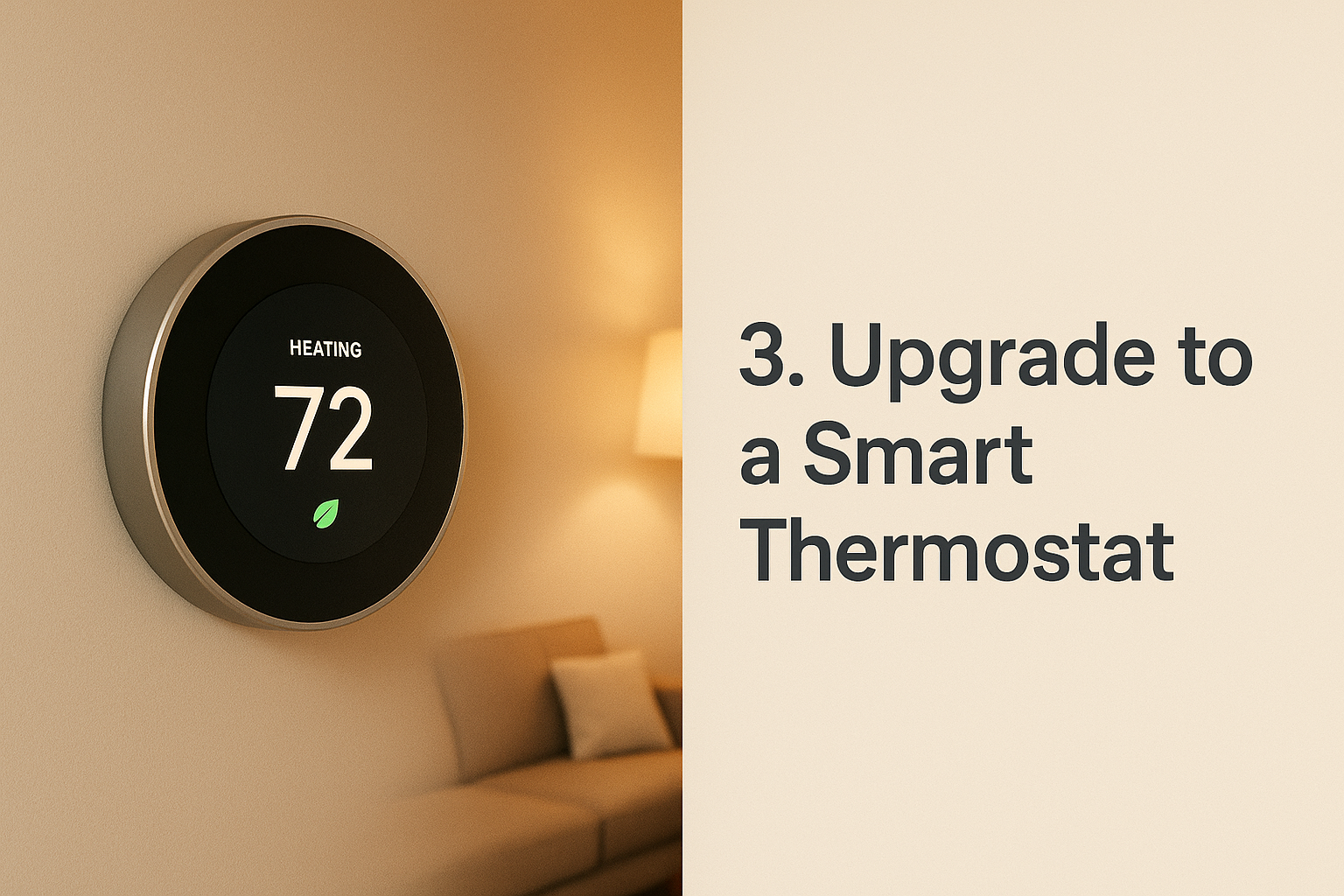
A smart thermostat learns your schedule and adjusts temperatures automatically. Lowering the heat when you’re asleep or away can save energy without sacrificing comfort.

Before winter, have your furnace or heat pump serviced. Clean filters, proper airflow, and small adjustments can improve efficiency and prevent mid-winter breakdowns.

Open curtains during the day to let sunlight naturally warm your home. Close them at night to keep the heat in—like pulling a blanket over your windows.
Small Changes, Big Payoff for Homeowners and Sellers
If you’re considering selling in the future, energy efficiency can be a quiet selling hero. Buyers may not always see insulation behind walls, but they feel the comfort—and notice lower utility bills.
“As buyers become more informed, energy-efficient homes stand out,” adds Peter Klein of Tress Homes. “They signal that a home has been well cared for and thoughtfully upgraded.”
Even if selling isn’t on your radar yet, these improvements make everyday living better right now.
Final Thoughts: Warmth That Lasts Beyond Winter
Preparing your home for winter isn’t just about staying warm—it’s about smart comfort, lower costs, and long-term value. By sealing drafts, improving insulation, maintaining your heating system, and making a few strategic upgrades, you can enjoy a cozier home and greater peace of mind all season long.
If you’re thinking about buying, selling, or investing in a home with energy-efficient features, now is the perfect time to explore your options.
👉 Start your property search today at homeonward.com
📧 Have questions or want expert guidance? Email tresshomes@gmail.com for more information.
A warmer, more energy-efficient home is closer than you think—this winter and beyond.


