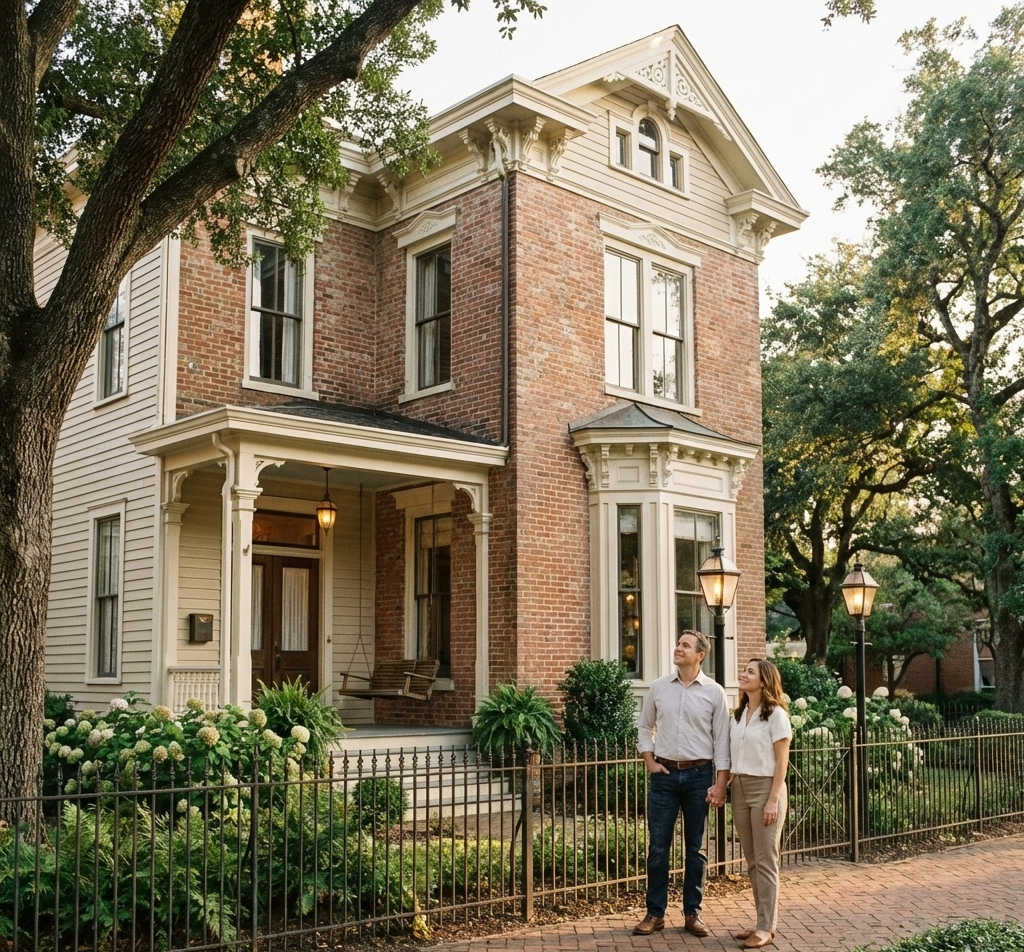
Have you ever walked past a charming old home and wondered about the stories hidden behind its walls? Maybe it’s the original wood floors, the ornate trim, or the sense that history lives there. Historic homes have a special pull—but buying or selling one comes with considerations that go beyond a typical real estate transaction.
Today, interest in historic properties is growing as buyers look for character and sellers realize the unique value of these homes. Whether you’re dreaming of owning one or preparing to sell, understanding what makes historic homes different can save you time, money, and stress.

In a world of new builds and cookie-cutter designs, historic homes stand out. They offer craftsmanship, architectural detail, and a connection to the past that many buyers crave. According to Peter Klein, Team Leader of Tress Homes, “Historic homes tell a story. When you understand that story—and how to protect it—you can unlock real value for both buyers and sellers.”
But that story comes with responsibility. Rules, maintenance needs, and financing can all look a little different compared to newer properties.

Historic homes can be incredibly rewarding. Here are some of the biggest benefits:
Timeless character and charm
From hand-carved moldings to original fireplaces, these homes often feature details that are expensive—or impossible—to replicate today.
Strong emotional appeal
Buyers often fall in love quickly, which can work in a seller’s favor when the home is priced and marketed correctly.
Potential tax incentives
Some historic homes qualify for local, state, or federal tax credits, especially if renovations follow preservation guidelines.
Unique market positioning
You’re not competing with dozens of similar listings. A historic home often stands alone in its category.
The Challenges (and How to Handle Them)
Of course, historic homes aren’t all romance and nostalgia. Common concerns include:
Renovation restrictions
Local historic districts may limit changes to exteriors—or even interiors. Always check guidelines before planning updates.
Maintenance costs
Older systems (plumbing, electrical, roofing) may need upgrades. A thorough inspection is essential.
Financing and insurance hurdles
Some lenders and insurers require additional documentation or specialized policies.
The good news? These challenges are manageable with the right guidance. “The key is preparation,” says Klein. “When buyers and sellers know what to expect upfront, surprises are minimized.”
Thinking about buying or selling a historic home? Start here:
Confirm historic status
Is the home officially designated or simply older? This affects rules and incentives.Research local regulations
Understand what changes are allowed—and which require approval.Get a specialized home inspection
Choose an inspector experienced with historic properties.Budget realistically
Plan for ongoing maintenance, not just the purchase price.Work with a knowledgeable real estate team
Experience matters when navigating historic home transactions.
Selling a Historic Home? Tell the Story
For sellers, marketing is everything. Highlight the home’s history, unique features, and any thoughtful updates. Professional photos, a short historical timeline, or even an infographic showing before-and-after restorations can help buyers connect emotionally.
As Peter Klein puts it, “People don’t just buy historic homes—they buy into their legacy.”
Final Thoughts: Old Homes, Smart Moves
Buying or selling a historic home is part real estate decision, part emotional journey. When done right, it can be incredibly fulfilling—and financially rewarding. The key is understanding both the charm and the responsibility that come with owning a piece of history.
If you’re considering buying or selling a historic home, personalized guidance makes all the difference. Visit homeonward.com or email tresshomes@gmail.com to connect with a trusted team that understands historic homes and modern market realities. Your next chapter could be rooted in history—with confidence for the future.