

What’s more exciting than receiving the keys to your very first home? For many, it’s a dream come true—a moment years in the making. But as the excitement fades, reality sets in: the first year of homeownership can feel overwhelming. Mortgage payments, unexpected repairs, lawn care, and figuring out where to put all your boxes can quickly take the shine off that new front door.
If you’ve ever felt like homeownership comes with a hidden manual you didn’t get, you’re not alone. According to Peter Klein, Team Leader of Tress Homes, “The first year is often the hardest, because everything is new. The good news? With a plan and the right mindset, the stress doesn’t have to outweigh the joy.”
In this article, we’ll walk through practical ways to reduce the stress of your first year as a homeowner. You’ll learn why the first year feels especially challenging, how to avoid common pitfalls, and actionable steps to help you feel more confident and in control.
Why the First Year Feels Overwhelming
Think of homeownership as adopting a pet. On paper, it sounds simple—you provide food, water, and shelter. But in reality, it comes with responsibilities you hadn’t anticipated, like late-night barking, vet bills, or endless dog hair. Owning a home is similar: you quickly discover that maintaining it requires more effort than you imagined.
The first year is stressful because:
Everything is unfamiliar. From figuring out where the water shut-off valve is to understanding your mortgage statement, there’s a steep learning curve.
Unexpected costs pop up. Even a “move-in ready” home can surprise you with repairs. A leaky faucet or faulty appliance can throw off your budget.
Pressure to “do it all.” Many first-time homeowners feel they need to decorate, renovate, and maintain every part of the home right away.
Recognizing these challenges is the first step toward managing them. Now let’s dive into solutions.
4 Core Ways to Reduce Homeownership Stress
1. Create a Realistic Budget (and Stick to It)
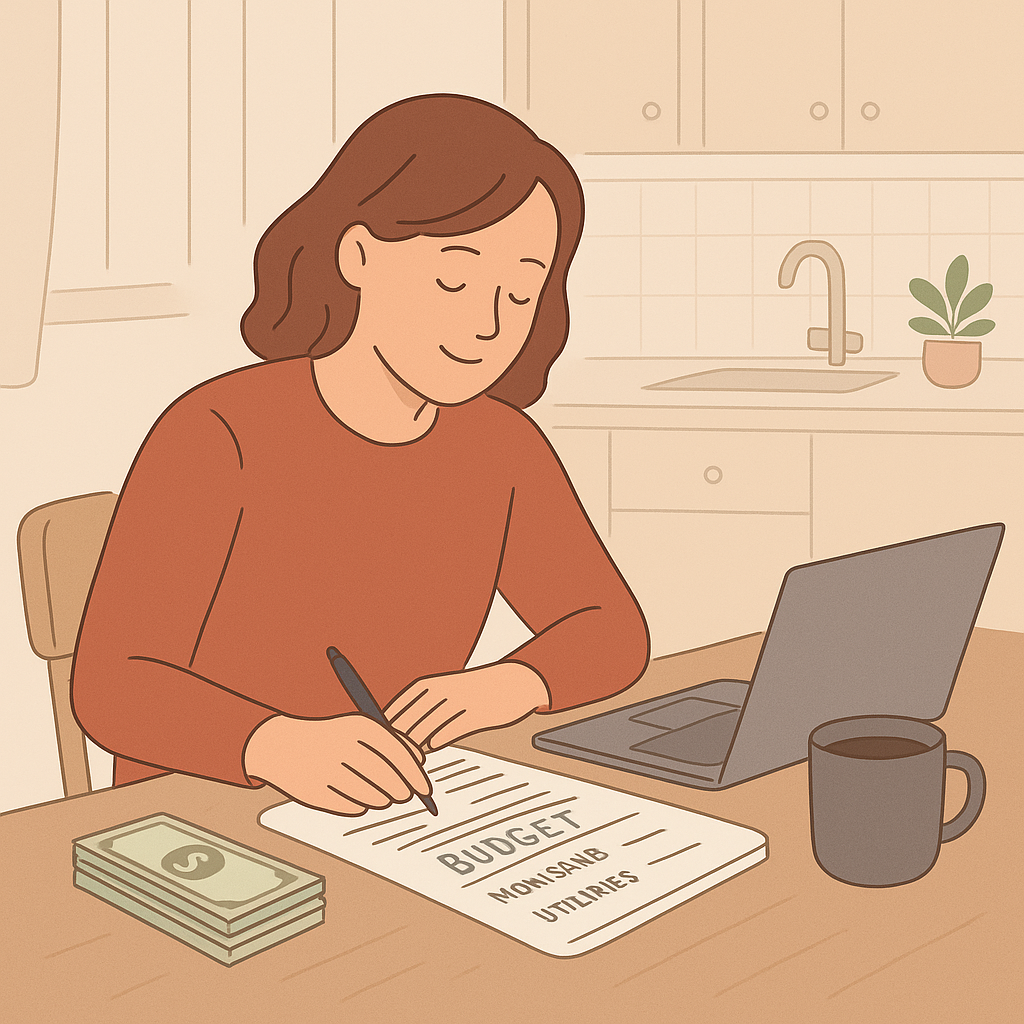
One of the biggest stressors is financial pressure. Beyond your mortgage, you’ll face utility bills, maintenance, and unexpected repairs. A smart rule of thumb is to set aside 1% of your home’s value each year for maintenance and repairs.
For example, if your home cost $250,000, plan on saving about $2,500 annually for upkeep. This cushion helps ensure that when the water heater goes out, you’re ready.
Peter Klein advises, “A homeowner who builds a buffer into their budget can face surprises with confidence instead of panic.”
2. Take It One Project at a Time
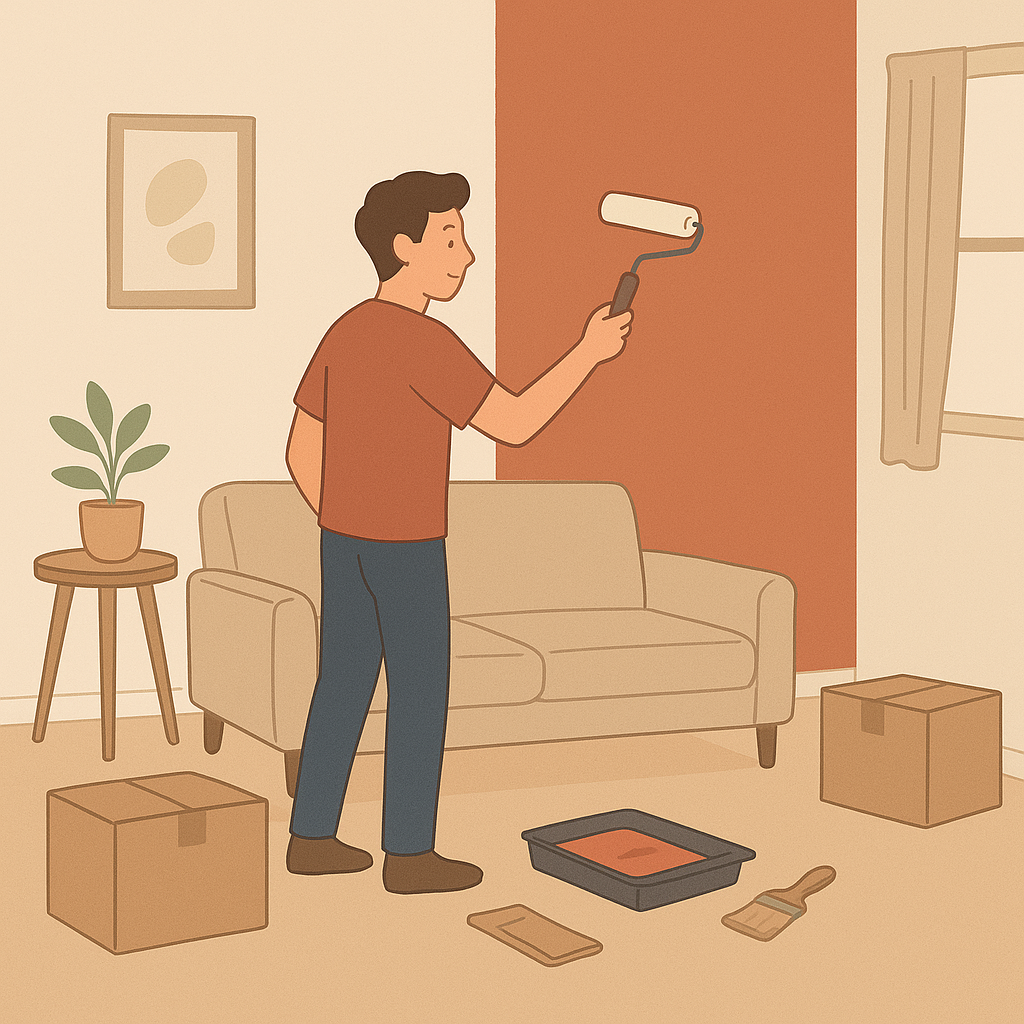
It’s tempting to want the perfect home immediately. But remember, you have years ahead to make improvements. Instead of stressing about upgrading every room, prioritize what matters most:
Safety-related repairs (electrical, plumbing, roofing)
High-use areas (kitchen or bathrooms)
Easy, budget-friendly wins (fresh paint, new cabinet hardware)
Treat it like a marathon, not a sprint. Little by little, your home will transform without draining your time or wallet.
3. Build a Support Network

Homeownership doesn’t mean you have to go it alone. Build a “home team” you can rely on:
Trusted contractors and handymen for maintenance and repairs
Neighbors who can share recommendations and tips
Your real estate agent for ongoing advice and referrals
Having people you trust on speed dial reduces stress when problems arise. As Peter Klein puts it, “The best homeowners are the ones who know when to ask for help.”
4. Learn the Basics of Home Maintenance
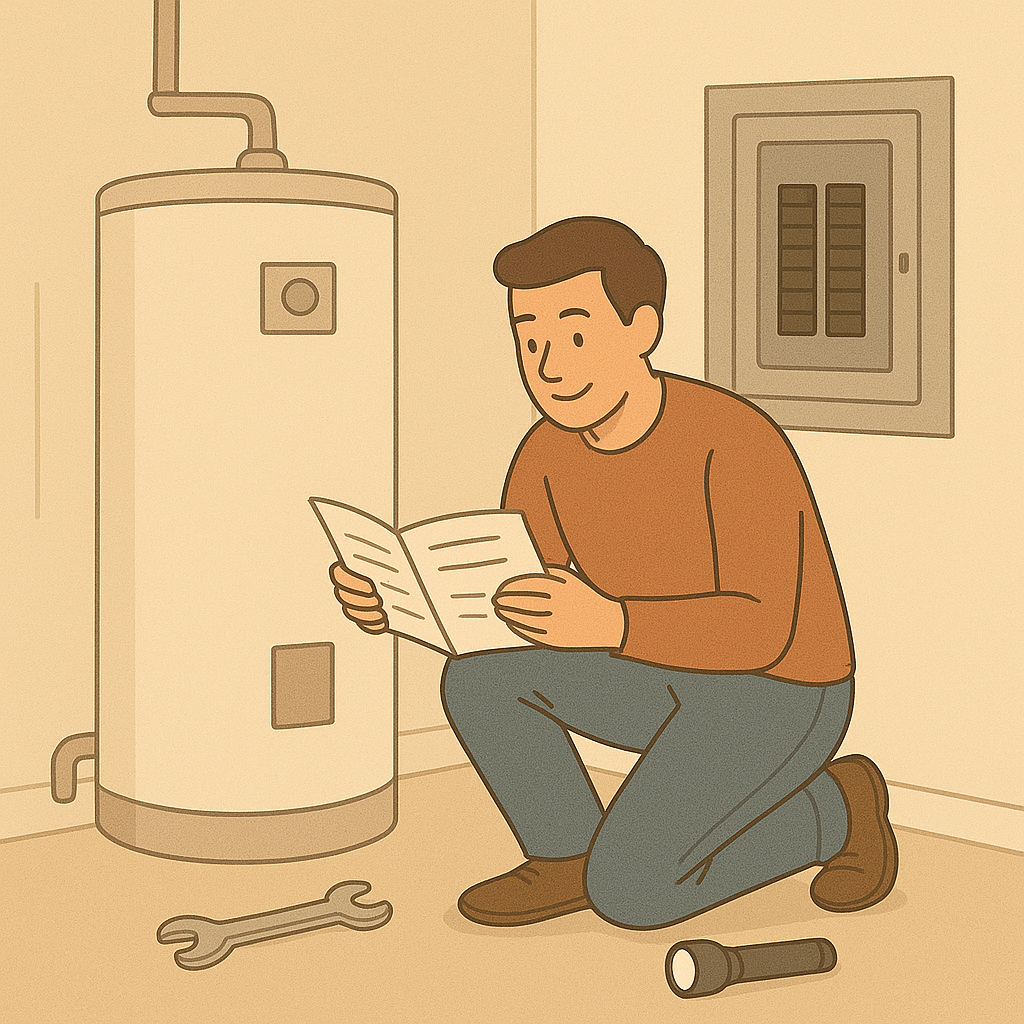
You don’t need to be a DIY expert, but learning a few simple tasks can save you both stress and money. Consider getting familiar with:
Resetting a tripped breaker
Changing HVAC filters
Cleaning gutters
Checking for water leaks
There are countless tutorials online, or you can even take a local class. Think of it as learning the “language of your home”—once you understand the basics, you’ll feel more empowered.
Common Challenges (and How to Overcome Them)
Feeling financially stretched?
→ Review your budget quarterly and look for ways to cut back on nonessential expenses.Overwhelmed by repairs?
→ Make a priority list and tackle one task at a time instead of trying to do everything at once.Not handy?
→ Build your support team. Keep a list of reliable contractors and don’t hesitate to call them when needed.
Actionable Tips to Stay Calm and Confident
Here’s a quick “First-Year Homeowner Checklist” you can keep handy:
✅ Set up a maintenance fund and contribute monthly.
✅ Make a list of urgent repairs vs. long-term projects.
✅ Locate essential shut-off valves and breaker boxes.
✅ Introduce yourself to neighbors and swap contact info.
✅ Schedule regular home check-ins (monthly or quarterly).
Final Thoughts
The first year of homeownership is full of lessons, surprises, and adjustments. But with the right approach, you can reduce stress and enjoy the rewards of this exciting chapter.
Remember, stress often comes from trying to do everything at once. By budgeting wisely, prioritizing projects, building a support network, and learning the basics of maintenance, you’ll find that homeownership becomes not just manageable—but deeply rewarding.
As Peter Klein says, “A home is more than a building—it’s a place to build memories. Don’t let the stress overshadow the joy.”
Ready to take the next step toward finding your perfect home? Start your search today at homeonward.com or email tresshomes@gmail.com for personalized guidance.