
Have you ever wondered why some homeowners try to sell their homes themselves—only to end up frustrated, losing time, and often losing money? On the surface, FSBO (For Sale By Owner) might look like a smart way to skip agent commissions. But here’s the surprising truth: most FSBO sellers walk away with less money, not more.
As Peter Klein, Team Leader of Tress Homes, often tells clients: “Selling a home isn’t just posting pictures online. It’s strategy, exposure, negotiation, and protecting your outcome.”
In today’s market, where buyers scroll listings like social media and expect polished, professional marketing, the cost of going it alone can be much higher than people realize. This article breaks down why FSBO often backfires—and how homeowners can protect both their profit and their peace of mind.
The Hidden Reality: FSBO Sounds Cheaper… But It’s Usually Not
Many homeowners choose FSBO to avoid paying a commission. The logic seems simple: avoid the middleman, keep more money. But the modern real estate landscape has changed.
Today’s buyers are more informed, have more options, and expect more value. Meanwhile, selling a home has become more complex—with legal documents, inspections, appraisals, pricing strategies, and marketing expectations all raising the stakes.
This is why, according to Peter Klein, “Most FSBO sellers underestimate the time, skill, and stress involved. It’s not that homeowners can’t do it—it’s that they shouldn’t have to.”
In this article, you’ll learn:
Why FSBO homes usually sell for less
Common mistakes homeowners make
The benefits of professional representation
How to avoid costly errors
Tips for homeowners who still want more control over the selling process
Why FSBO Often Costs Homeowners More
Here are the biggest reasons homeowners actually lose money when they try selling solo:
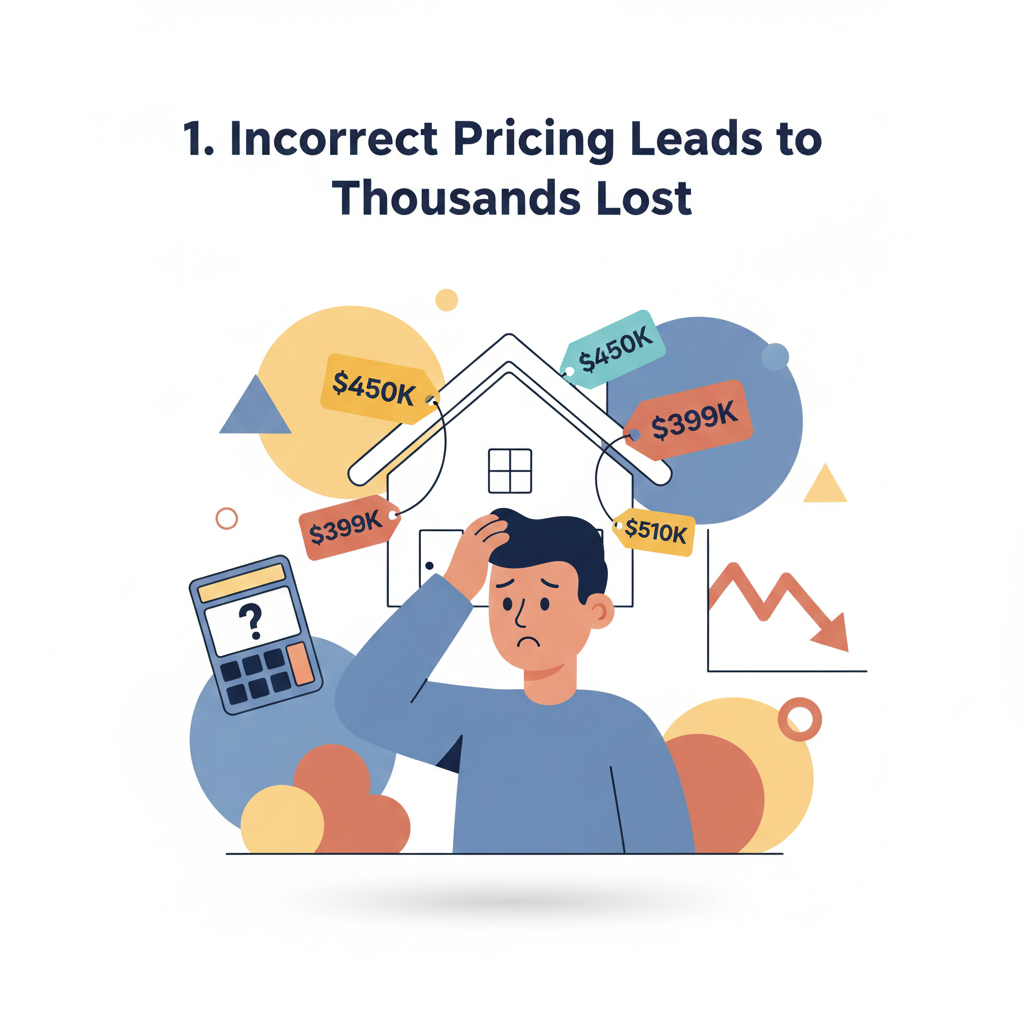
Pricing a home is part science, part strategy. Go too high, and buyers ignore the listing. Go too low, and you leave money on the table.
FSBO sellers often:
Rely on Zestimate-style online tools (which can be off by tens of thousands)
Compare their home only to others they personally know
Skip critical analysis like absorption rates and buyer demand patterns
The result: homes sit longer, get stale, and sell for less.
As Peter Klein explains, “Buyers smell opportunity when a home lingers. They assume something’s wrong and come in low.”
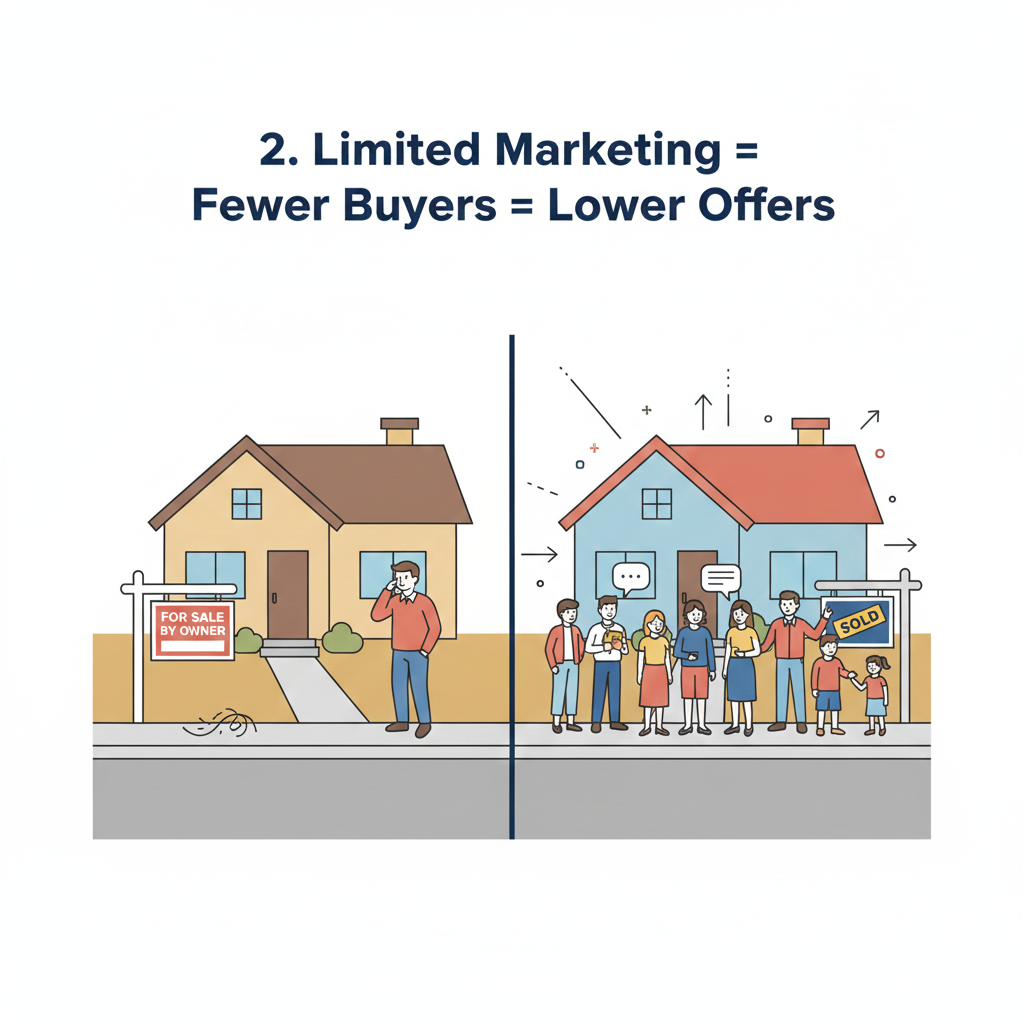
Real estate agents don’t just put homes on the MLS—they promote them across dozens of channels. FSBO sellers, on the other hand, usually rely on:
Facebook Marketplace
Yard signs
Free listing sites
Word of mouth
The problem? Fewer eyeballs = fewer offers. And fewer offers = weaker negotiating power.
Professional listings reach thousands of motivated buyers, while FSBO listings often reach only a small fraction of them. Exposure is everything.
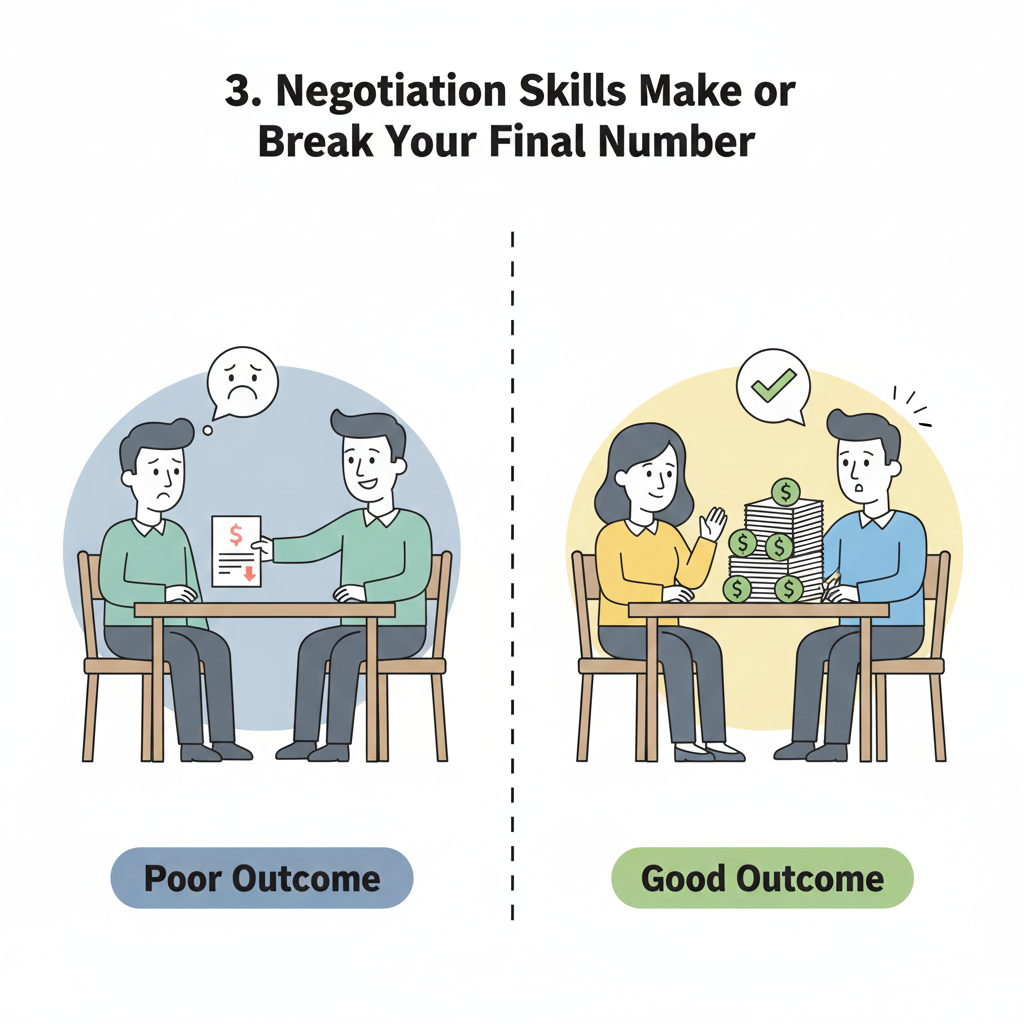
Selling a home requires negotiating with:
Buyers
Buyer’s agents
Inspectors
Appraisers
Title companies
Buyers’ agents negotiate for a living. Most sellers do not.
That imbalance alone often costs FSBO sellers tens of thousands.
As Peter Klein says, “Negotiation isn’t about being tough—it’s about understanding strategy, psychology, and contract risk.”
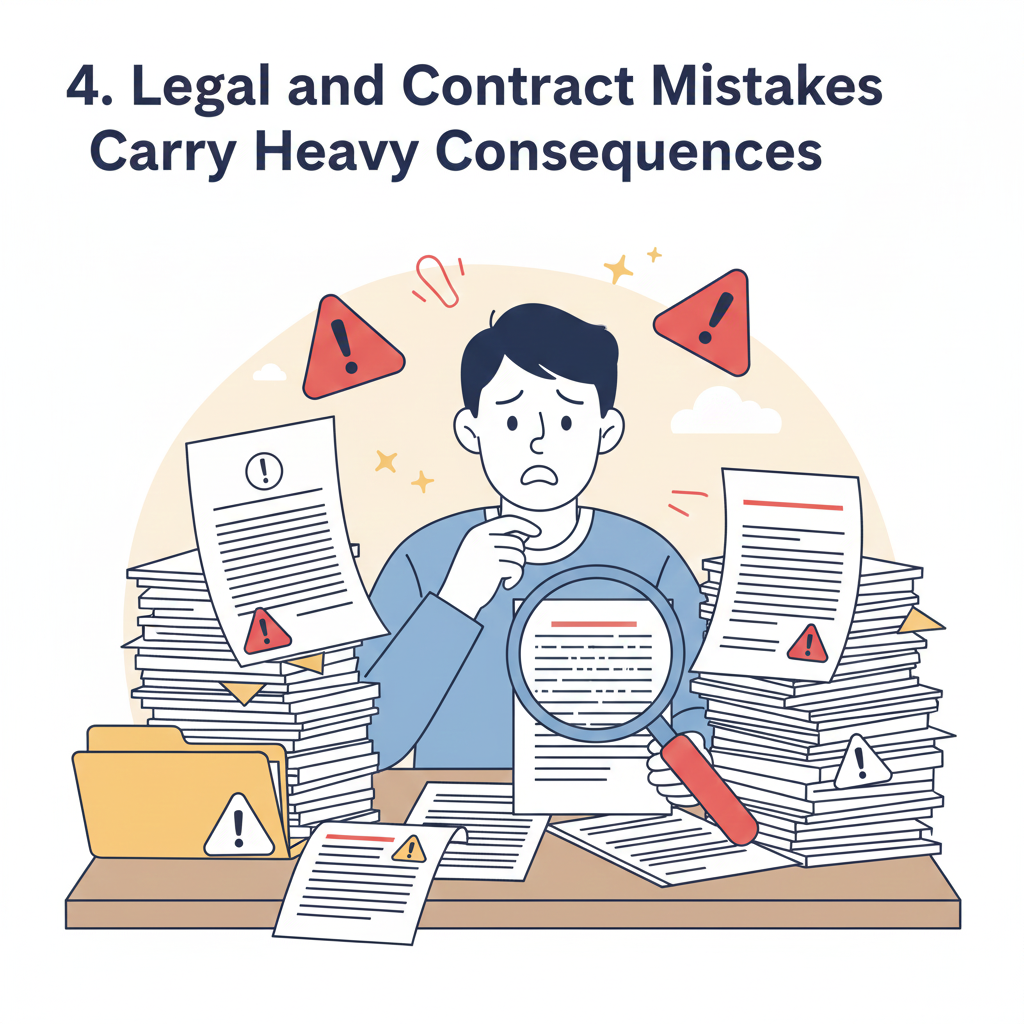
Real estate paperwork is dense, technical, and full of landmines.
Mistakes can lead to:
Lawsuits
Delayed closings
Failed inspections
Financing issues
Lost deposits
Even small errors—like missing a required disclosure—can expose sellers to serious liability.
A professional handles all of this so homeowners stay protected.

Selling a home is emotional.
FSBO sellers often:
Take low offers personally
Overestimate the value of improvements
Get offended by repair requests
Struggle to stay objective
A real estate professional acts as a buffer, preventing emotional decisions that cost money.
Common FSBO Objections (and Why They Don’t Hold Up)
“I want to save money by avoiding commission.”
Most FSBO homes sell below market value—often by more than the commission.
“I can handle the marketing myself.”
DIY marketing rarely matches professional photography, staging, copywriting, and targeted advertising.
“It’s not that complicated.”
Selling a home involves over 150 steps from start to finish. Missing even one can derail the sale.
“Buyers prefer dealing with owners.”
Buyers actually feel safer knowing a professional is involved.
How to Protect Yourself: Actionable Tips for Homeowners
Even if you're not ready to hire an agent yet, here’s how to sell smarter:
✔️ 1. Get a Professional Pricing Opinion
A free Comparative Market Analysis (CMA) gives you real data—not guesswork.
✔️ 2. Invest in High-Quality Marketing
At minimum:
Professional photos
Floor plans
Light staging
Compelling listing copy
Quality marketing more than pays for itself.
✔️ 3. Use a Real Estate Attorney
If you insist on selling FSBO, an attorney helps ensure your contracts and disclosures are correct.
✔️ 4. Prepare for Negotiation
Know your:
Bottom line
Repair budget
Seller concessions
Closing timeline
Negotiation isn’t personal—it’s a strategy.
✔️ 5. Consider a Hybrid or Limited-Service Agent
You don’t have to choose between “full service” or “no service.”
Some agents offer flexible packages.
Final Thoughts: FSBO Isn’t Just Hard—It’s Expensive
Selling a home is one of the biggest financial decisions you’ll ever make. While FSBO may seem like a money-saver, it often leads to:
Lower sale prices
Longer days on market
More stress
Greater legal risk
As Peter Klein puts it: “A home is an investment. Why gamble with your biggest asset when professionals are here to protect it?”
If you want to maximize profit, minimize stress, and stay protected, working with an experienced team remains the smartest choice.
Ready to Sell With Confidence?
Start your property search or explore selling options at:
👉 homeonward.com
Or reach out with questions anytime:
📧 tresshomes@gmail.com
You don’t have to navigate the journey alone—Tress Homes is here to guide you every step of the way.